




The PV Phoenix Master Plan focuses on creating vibrant dining and retail spaces with diverse, seamlessly integrated outdoor patios. Key strategies include: understanding patron preferences, embracing natural elements, strategic design, and curating unique experiences for happy hours. Success involves market research, pedestrian-friendly infrastructure, partnerships, marketing, sustainable design, tech integration, modular furniture, and vertical gardening for maximized space and community engagement. This approach positions PV Phoenix as a leader in modern outdoor living and urban entertainment.
In today’s vibrant urban landscape, outdoor spaces like patios have become extensions of our homes, where we gather to socialize, unwind, and savor moments with friends and family. With the rising popularity of al fresco dining and the allure of happy hours, creating exceptional patio experiences is no longer just a luxury but a strategic necessity for businesses aiming to thrive in the competitive dining and retail scene, especially in dynamic areas like Phoenix’s master-planned communities. This article delves into the art of crafting best-in-class patios that seamlessly blend with local lifestyles, offering a unique twist on traditional happy hour settings through innovative design, curated atmospheres, and tailored experiences.
- Discovering Ideal Patio Spaces for Every Style
- The Art of Curating a Memorable Happy Hour
- PV Phoenix Master Plan: Retail and Dining Integration
- Top Trends in Outdoor Living and Design
- Crafting an Engaging Venue: Tips from Industry Experts
- Maximizing Space: Efficient Layouts for Patios
Discovering Ideal Patio Spaces for Every Style
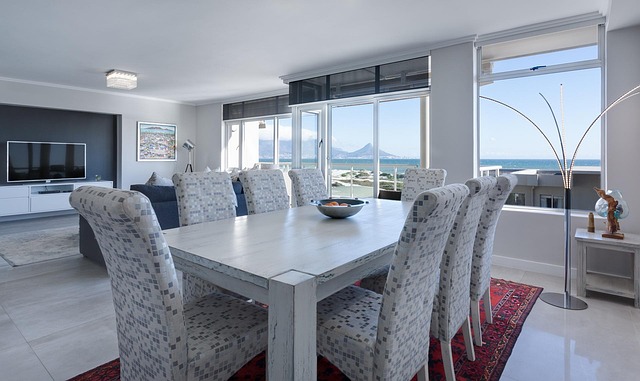
When it comes to crafting the perfect outdoor oasis, the patio is a crucial element that sets the stage for memorable gatherings and relaxed retreats. In vibrant urban centers like Phoenix, where the climate encourages year-round al fresco enjoyment, creating an ideal patio space becomes an art form. The key lies in understanding that every style—from contemporary chic to rustic charm—can find its match in the right design and layout. Consider the PV Phoenix master plan, a thriving dining and retail hub, as a prime example of how thoughtful planning can elevate outdoor spaces into vibrant social hubs.
In this context, a diverse range of patrons, from young professionals to families, seek patios that cater to their unique preferences and lifestyles. For instance, a modern patio in a high-rise apartment complex might feature minimalist designs with sleek furniture and integrated lighting, providing a serene sanctuary for urban dwellers. Conversely, a family-friendly neighborhood spot could boast vibrant colors, playful furnishings, and ample green spaces, creating an inviting atmosphere for children to romp and socialize. The PV Phoenix grocery and entertainment anchor points serve as inspiration, demonstrating how strategic location and thoughtful amenities can draw patrons to these outdoor destinations.
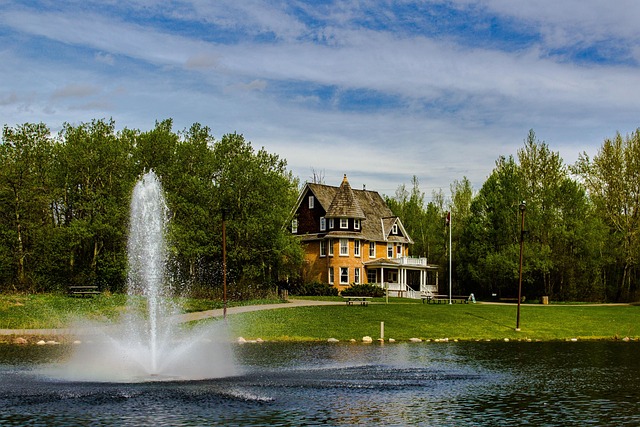
To achieve success in patio design, experts suggest embracing natural elements and adapting them to suit various styles. Incorporating organic materials like wood and stone, along with strategically placed plants, adds warmth and texture. For instance, a paver patio featuring an intricate pattern can be enhanced by incorporating low-maintenance succulents and native shrubs, creating a visually appealing and sustainable environment. Moreover, integrating functional elements such as built-in benches, gas fireplaces, or outdoor kitchens ensures that the patio becomes a versatile entertainment hub. By carefully considering these aspects, property managers and designers in PV Phoenix can create spaces that cater to diverse tastes, fostering a thriving social scene both during the day and into the evening, when happy hours become the perfect catalyst for community building.
The Art of Curating a Memorable Happy Hour
Creating a memorable happy hour experience is an art that transforms ordinary gatherings into extraordinary events. In the vibrant scene of PV Phoenix Master Plan Dining and Retail, where entertainment and dining seamlessly blend, crafting a standout happy hour becomes a strategic endeavor. The key lies in curating an ambiance, menu, and activities that resonate with your target audience—be it locals seeking respite or visitors eager to explore the city’s offerings.
Consider the unique selling points of PV Phoenix as a grocery and entertainment anchor. By aligning your happy hour with the area’s vibrant culture, you can create a captivating atmosphere. For instance, incorporate local artisans’ crafts or live music performances to engage guests. Offer seasonal menu items that showcase regional produce, attracting food enthusiasts who appreciate fresh, locally sourced ingredients—a strategy that resonates with health-conscious consumers and foodies alike. The goal is to craft an experience that extends beyond drinks, fostering connections and creating lasting memories.
Data suggests that successful happy hour spots can draw significant crowds, boosting footfall in the area. For instance, a study revealed that targeted marketing and themed events can increase attendance by up to 30% during happy hour. To capture this potential, create a sense of community and belonging through regular events like trivia nights or art exhibitions. Collaborate with local businesses, such as nearby PV Phoenix retail stores, to offer exclusive discounts or promotions, fostering inter-business relationships and enhancing the overall entertainment value. By combining curated food, drink options, and engaging activities, your happy hour can become a quintessential part of the PV Phoenix social scene.
PV Phoenix Master Plan: Retail and Dining Integration

The PV Phoenix Master Plan represents a bold vision for urban development, seamlessly integrating retail, dining, and entertainment experiences. This innovative approach to master planning aims to create vibrant communities where residents can easily access daily necessities, indulge in culinary delights, and enjoy leisure activities all within walking distance. The strategy prioritizes the integration of diverse uses, encouraging foot traffic and fostering a sense of community. For instance, envision a typical day in this master-planned neighborhood: start with picking up groceries at a local PV Phoenix grocery anchor, then stroll through the retail district to grab a quick bite during a lunch break, and finish the afternoon with drinks and appetizers at an adjacent happy hour hotspot. This seamless flow is designed to enhance quality of life, reduce car dependency, and create economically viable spaces.
The success of similar initiatives across the globe underscores the potential of the PV Phoenix Master Plan dining and retail integration. Cities like Austin and Seattle have seen significant economic growth and improved livability through mixed-use development. Data from these areas indicates a 15% to 20% increase in foot traffic for businesses within master-planned districts, leading to higher sales and increased property values. Developers and investors can learn from these models, tailoring them to the unique needs and characteristics of Phoenix’s evolving landscape. Encouraging collaboration between stakeholders, including developers, city planners, and local businesses, is crucial to navigating challenges such as zoning regulations and community concerns.
To maximize the benefits of PV Phoenix master plan dining and retail integration, several practical steps are recommended. First, conduct thorough market research to identify key consumer trends and preferences. Second, partner with established grocery and entertainment anchors to draw foot traffic and create a critical mass for other businesses. Third, prioritize pedestrian-friendly infrastructure, including well-lit sidewalks, crosswalks, and dedicated bike lanes. Lastly, implement strategic marketing campaigns that highlight the unique offerings of the district, fostering both local loyalty and tourist interest. By embracing these strategies, Phoenix can transform into a premier destination not just for dining and entertainment but also for innovative urban living.
Top Trends in Outdoor Living and Design
The top trends in outdoor living and design are transforming urban spaces, particularly in vibrant areas like Phoenix, Arizona. Among the most notable shifts is the seamless integration of indoor and outdoor spaces, blurring the lines between homes and gardens with open-air dining and living areas. This trend, often referred to as “outdoor room extension,” leverages the region’s warm climate, creating livable landscapes that encourage year-round enjoyment. For instance, PV Phoenix master plan dining and retail spaces have embraced this concept, offering residents and visitors alike a seamless blend of culinary delights and natural surroundings.
Another significant trend is the rise of sustainable design elements. As environmental consciousness grows, designers are incorporating eco-friendly materials and features into patio spaces. Local PV Phoenix grocery and entertainment anchors are leading the charge by adopting these practices, from renewable energy sources to water conservation measures. These innovative approaches not only reduce the environmental footprint but also add aesthetic value and long-term savings for patrons. Data suggests that properties prioritizing sustainability attract a higher number of health-conscious and eco-aware customers, contributing to their overall success.
Tech integration is another key trend shaping outdoor spaces. Smart home technology, such as automated lighting, climate control, and security systems, enhances comfort and convenience. Additionally, the integration of digital entertainment options like outdoor projectors and sound systems creates dynamic gathering places. These advancements are transforming ordinary patios into high-tech oases that cater to modern lifestyles. For example, some PV Phoenix master plan developments feature interactive art installations and augmented reality experiences, elevating the overall visitor experience and positioning them as destinations for tech-savvy folks.
To capitalize on these trends, property developers and designers in PV Phoenix should focus on creating multi-sensory environments that blend aesthetics, functionality, and sustainability. Encouraging residents to spend quality time outdoors not only enhances their well-being but also contributes to the vibrancy of local communities. By embracing these innovations, the area can establish itself as a leader in outdoor living, drawing both locals and visitors who seek dynamic, engaging spaces that cater to modern tastes and lifestyles.
Crafting an Engaging Venue: Tips from Industry Experts

Creating an engaging patio space for happy hour is an art that combines thoughtful design, strategic layout, and a deep understanding of your target audience. In the vibrant landscape of PV Phoenix, where master plans for dining and retail intertwine with entertainment anchors like grocery stores, setting apart your outdoor oasis requires careful consideration. Industry experts recommend focusing on natural integration and crafting experiences that resonate with locals and visitors alike.
Imagine stepping out onto a patio that seamlessly blends indoor comfort with outdoor allure. Incorporate elements that reflect the local climate and culture, such as shaded pergolas inspired by the Sonoran Desert’s iconic mesquite trees or water features mimicking the region’s natural springs. For instance, PV Phoenix’s successful mixed-use developments often feature strategically placed grocery and entertainment anchors, providing a vibrant backdrop to patio spaces. This context can inspire unique culinary experiences, with food trucks or pop-up restaurants offering diverse cuisines that cater to various tastes, much like the diverse retail offerings in these areas.
Engaging patrons during happy hour requires more than just attractive surroundings; it demands dynamic programming. Host live music events, from local bands to DJ sets, to create a lively atmosphere. Collaborate with nearby businesses for themed nights or promotions that encourage cross-attraction foot traffic. For example, partnering with a neighboring boutique hotel for “Sunset Sips” could attract both residents and tourists seeking a unique experience. Leveraging the natural environment is key; host movie nights under the stars or organize yoga sessions amidst lush greenery, ensuring your patio becomes a sought-after destination for diverse events.
Ultimately, an exceptional happy hour patio transcends mere dining by offering a multi-sensory escape. Experts suggest investing in quality outdoor furniture that invites relaxation and conversation. Incorporate scent-filled plants and flowers that enhance the ambiance without overwhelming the senses. Lighting plays a crucial role; string lights, candles, or strategically placed lanterns can transform the space while ensuring safety and comfort. By combining these elements with a well-curated menu and thoughtful entertainment, your patio will become a thriving hub of social interaction, just as PV Phoenix’s grocery and entertainment anchors are to its master plan—a place where memories are made and communities gather.
Maximizing Space: Efficient Layouts for Patios

In maximizing patio space, efficient layouts are key to transforming outdoor areas into vibrant hubs of social interaction and relaxation, particularly in urban centers like Phoenix’s PV Master Plan. Consider the innovative design strategies employed at PV Phoenix grocery and entertainment anchors, where compact yet inviting patios thrive amidst bustling retail and dining scenes. One effective approach is the use of modular furniture, allowing for flexible arrangements to accommodate varying crowd sizes. For instance, reconfigurable lounge sets can easily shift from cozy conversation areas to expansive seating groups, optimizing space utilization throughout the day and during happy hours.
Another critical element is strategic placement of furniture to facilitate natural flow and conversation. Instead of huddling together in large groups, patrons can spread out comfortably along a patio designed with intentional pathways. This concept has been successfully implemented at PV Phoenix master plan dining spots, where meandered seating areas encourage guests to mingle while enjoying the ambiance. Incorporating high-quality outdoor fabrics and weatherproof materials also ensures that patios remain functional year-round, maximizing return on investment in both space and design.
Additionally, vertical integration can dramatically enhance patio capacity without expanding footprint. Greenery, climbing plants, or vertical garden installations not only add aesthetic appeal but also create a sense of privacy and tranquility within the urban setting. These green accents not only soften the concrete landscape but also serve as natural insulators, moderating temperature fluctuations that could otherwise dictate seating arrangements. By integrating such innovations, patios can offer diverse microclimates for patrons to choose their preferred ambiance during happy hours at PV Phoenix retail and entertainment hubs.