

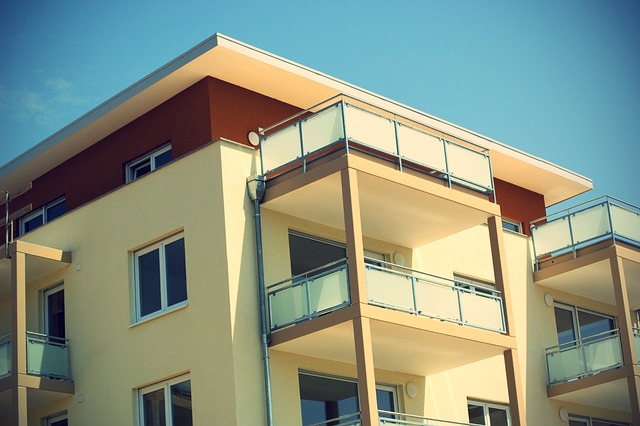

PV Phoenix Residential Phase 1 completion introduces Lifestyle-First Urban Villages, prioritizing resident well-being and community connections over traditional real estate metrics. Key features include customizable spaces, community-centric design, mixed-use amenities, and eco-friendly practices, appealing to diverse demographics seeking elevated urban living experiences. This innovative model demonstrates the potential to revolutionize urban development by fostering vibrant communities and promoting sustainable lifestyles.
In the rapidly evolving urban landscape, the concept of lifestyle-first communities is gaining traction as a game-changer. As cities grow, there’s a pressing need for residential spaces that prioritize well-being and community interaction. The traditional model of concrete jungles, while convenient, often falls short in fostering meaningful connections or promoting healthy living.
This article explores the emergence of urban villages, offering a fresh approach to modern housing. We delve into how these communities, such as PV Phoenix’s Residential Phase 1 completion, successfully blend vibrant social spaces with green amenities, creating a holistic lifestyle. By examining successful cases, we provide valuable insights for architects, urban planners, and residents alike.
- Understanding Lifestyle-First Urban Villages: A New Paradigm
- PV Phoenix: Residential Phase 1 Completion – A Milestone
- Design and Community: Crafting Vibrant Urban Spaces
- Sustainable Living: Green Initiatives in Urban Villages
Understanding Lifestyle-First Urban Villages: A New Paradigm

Lifestyle-First Urban Villages represent a radical shift in urban development, prioritizing resident well-being and unique living experiences over traditional real estate models. This new paradigm is evident in projects like PV Phoenix, where Residential Phase 1 completion marks a significant milestone. Unlike conventional luxury rental or condo units, these villages offer a holistic approach to urban living, integrating high-end amenities with community-centric design. The focus is on fostering connections and enhancing lifestyle choices rather than merely providing shelter.
The concept revolves around creating self-contained communities where residents can thrive, featuring diverse offerings tailored to individual preferences. For instance, PV Phoenix might include dedicated spaces for creative pursuits, wellness activities, and social gatherings, all designed to cater to a wide range of interests. This approach contrasts with the often impersonal nature of traditional rental units or generic condo layouts. By offering customizable options and a strong sense of belonging, lifestyle-first villages appeal to a diverse demographic seeking more from their urban residence.
Experts predict that this model will gain traction as urbanization continues apace. As cities become increasingly dense, there’s a growing demand for living environments that prioritize human connection and well-being. The success of PV Phoenix Residential Phase 1 suggests that by prioritizing lifestyle over traditional real estate metrics, developers can create vibrant, thriving urban communities. This shift promises to redefine the way we think about urban living, offering residents opportunities to engage, connect, and thrive in their surroundings.
PV Phoenix: Residential Phase 1 Completion – A Milestone
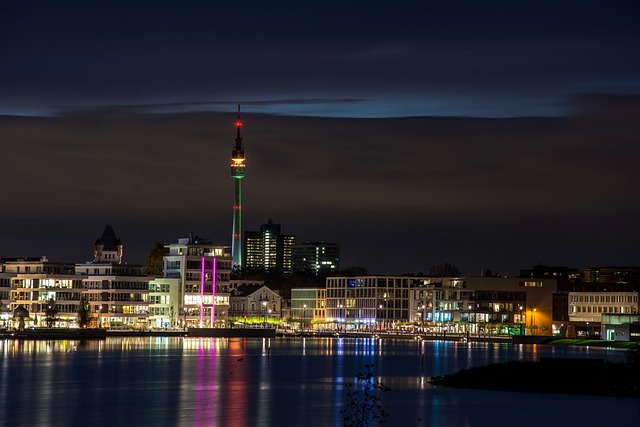
The completion of PV Phoenix’s Residential Phase 1 marks a significant milestone in the evolution of urban living. This groundbreaking development offers a unique vision of lifestyle-first urban villages, where residential spaces seamlessly blend with vibrant community amenities. The initial phase introduces a collection of luxurious rental units, setting a new standard for modern urban dwellers.
Focusing on providing an elevated lifestyle, PV Phoenix distinguishes itself from traditional condos. Each unit is meticulously designed to cater to the sophisticated tastes of tenants, offering more than just a place to live—a sanctuary within the bustling cityscape. The difference lies in the attention to detail and the focus on creating a sense of community. Unlike typical rental options, these units provide residents with exclusive access to top-notch amenities, fostering a connected and engaging environment. For instance, residents can look forward to state-of-the-art fitness centers, rooftop gardens, and communal spaces designed for social interaction.
With rental rates competitive yet reflective of the premium experience, PV Phoenix presents an attractive proposition for urban professionals and families alike. The success of Phase 1 completion bodes well for future developments, suggesting a growing demand for high-end, lifestyle-focused residential options. As cities continue to evolve, projects like PV Phoenix could redefine how we perceive urban living, transforming the traditional condo market with their comprehensive approach to community and luxury.
Design and Community: Crafting Vibrant Urban Spaces

The design and community aspects are pivotal in shaping successful urban villages, particularly in the case of PV Phoenix, where Residential Phase 1 completion marks a significant milestone. This focus on creating vibrant spaces extends beyond mere aesthetics to foster strong, thriving communities. The key lies in balancing well-conceived architecture with thoughtful planning to cater to diverse needs.
In PV Phoenix, for instance, the luxury rental vs. condo units strategy has been carefully considered. By offering a mix of high-end rental options and condos, developers aim to accommodate various lifestyles. This diversity ensures that young professionals, families, and retirees alike can find their niche within the village. For example, spacious floor plans with outdoor living areas in condos cater to those seeking permanent residences, while flexible leasing terms in rental units appeal to nomads or short-term residents.
Community building is enhanced through shared amenities designed for interaction and collaboration. This could include community gardens, co-working spaces, and communal dining areas that encourage residents to connect and foster a sense of belonging. For instance, PV Phoenix’s central plaza, upon completion, will serve as a hub for social gatherings, cultural events, and neighborhood activities, mirroring the tapestry of urban life.
Experts suggest that successful urban villages should strive for 20-30% mixed-use spaces, ensuring a balance between residential, commercial, and recreational areas. This principle, applied in PV Phoenix’s master plan, ensures that residents have easy access to essential services and entertainment within the village itself, reducing the need for frequent commutes. By prioritizing design and community integration, PV Phoenix Residential Phase 1 completion naturally paves the way for a thriving urban environment that is both livable and desirable.
Sustainable Living: Green Initiatives in Urban Villages
Sustainable living has become a cornerstone of urban development, and Lifestyle-First Urban Villages are leading the charge with innovative green initiatives. A prime example is the recent completion of PV Phoenix Residential Phase 1, showcasing how nature and modern comforts can coexist harmoniously in urban settings. This phase prioritizes eco-friendly practices, incorporating renewable energy sources like solar panels to reduce carbon footprints significantly.
The success of these villages lies in their holistic approach, integrating green spaces, efficient waste management systems, and sustainable transportation options. For instance, PV Phoenix offers a mix of luxury rental and condo units, encouraging residents to adopt more environmentally conscious lifestyles. By providing accessible and desirable housing options, the village promotes walkability, cycling, and carpooling, thereby minimizing traffic congestion and air pollution. Moreover, these villages often feature community gardens and green roofs, which not only enhance biodiversity but also serve as recreational spaces for residents.
Data from recent studies reveal that urban villages with robust sustainability programs can reduce energy consumption by up to 30% compared to conventional developments. This shift towards eco-friendliness is not just a trend; it’s a necessity driven by the urgency of climate change. As such, developers and architects must embrace innovative design solutions and technologies, ensuring that future urban villages become models for sustainable living. For instance, incorporating smart grids and energy storage systems can further optimize renewable energy use while reducing maintenance costs over time. By learning from successful projects like PV Phoenix Residential Phase 1, we can accelerate the adoption of green initiatives in urban planning worldwide.