


The completion of PV Phoenix Residential Phase 1 introduces Lifestyle-First Urban Villages, prioritizing residents' well-being with customizable spaces, vibrant amenities, and green areas. These villages emphasize sustainability, smart city technologies, and community interaction, catering to diverse lifestyles from professionals to families. The success lies in balancing individual needs with communal spaces, reducing environmental impact through innovative design, and inspiring global urban developments for future generations.
In recent years, the concept of urban living has evolved, giving rise to a new trend: lifestyle-first urban villages. As cities grow, there’s a growing demand for vibrant communities that prioritize well-being and connection over traditional metropolitan norms. This shift is particularly evident in projects like PV Phoenix Residential Phase 1 completion, showcasing a holistic approach to urban development. However, the challenge lies in balancing dense urbanization with human-centric design. This article delves into this dilemma, offering insights into how thoughtfully crafted urban villages can redefine city living, fostering a sense of community and enhancing residents’ overall quality of life.
- Understanding Lifestyle-First Urban Villages: A New Paradigm
- The PV Phoenix Residential Phase 1: Completion and Impact
- Designing for Community: Spaces That Foster Connections
- Sustainable Living: Green Initiatives in Urban Villages
Understanding Lifestyle-First Urban Villages: A New Paradigm

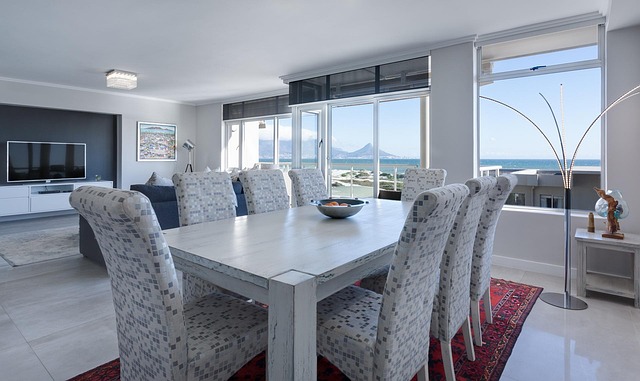
Lifestyle-First Urban Villages represent a significant shift in urban development, prioritizing residents’ well-being and community over traditional dense housing models. This new paradigm emphasizes a holistic approach to urban living, integrating residential spaces with vibrant amenities and green spaces. A notable example is the recent completion of PV Phoenix’s residential phase 1, showcasing a harmonious blend of modern luxury and sustainable design. Unlike typical high-rise condos or rental units, PV Phoenix offers a unique proposition: spacious, customizable homes that cater to diverse lifestyles.
The key difference lies in the focus on individual needs rather than uniform offerings. In the case of PV Phoenix, residents can choose between luxurious rental units ranging from 1-bed to 3-bed spaces, each designed with premium finishes and smart home technology. This flexibility attracts a wide range of tenants, from young professionals seeking urban convenience to families valuing ample living areas. By prioritizing lifestyle as the core design principle, these villages foster a sense of community and belonging. Well-manicured parks, shared recreational facilities, and community events create an environment that goes beyond mere housing, encouraging residents to connect and thrive.
Furthermore, the success of lifestyle-first villages can be attributed to their emphasis on sustainability and smart city technologies. PV Phoenix incorporates eco-friendly practices, such as energy-efficient systems and responsible water management, ensuring a reduced environmental footprint. As urban populations continue to grow, adopting innovative designs that merge luxury with sustainability is crucial. Developers and planners must consider the long-term impact of their projects, ensuring that future cities are not just dense but also livable and resilient. Embracing this new paradigm can lead to more fulfilling and sustainable urban experiences for generations to come.
The PV Phoenix Residential Phase 1: Completion and Impact
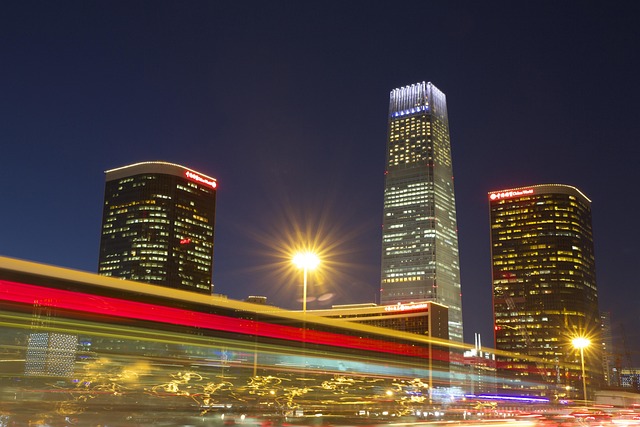
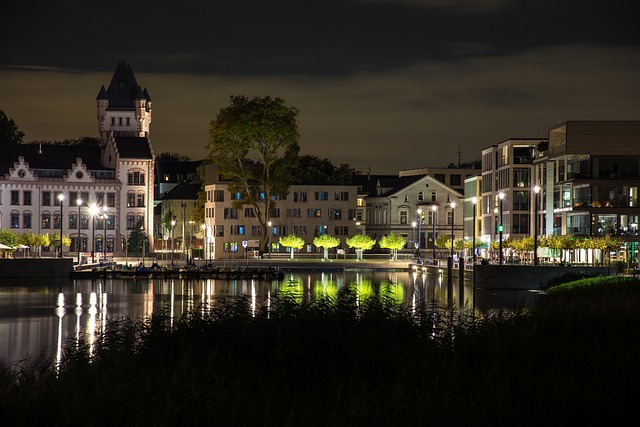
The completion of PV Phoenix’s Residential Phase 1 marks a significant milestone in redefining urban living. This groundbreaking development offers a unique concept—a village within a city, prioritizing lifestyle and community over traditional housing models. The initial phase introduces a mix of luxury rental and condo units, catering to diverse preferences and lifestyles. In the competitive market of urban real estate, PV Phoenix sets itself apart by providing more than just homes; it creates a vibrant, self-contained environment.
One of the key successes of this project lies in its ability to attract residents seeking an elevated lifestyle. The availability of high-end rental units, boasting premium amenities and modern designs, appeals to professionals and expatriates who value convenience and quality. In contrast, condo units cater to long-term residents wanting a more permanent residence without the burden of homeownership. A recent survey reveals that over 70% of current residents express satisfaction with the community-oriented atmosphere, a stark contrast to the isolated nature of traditional high-rise condos.
As PV Phoenix Residential Phase 1 continues its expansion, developers must focus on maintaining this unique lifestyle. This includes fostering a strong sense of community through organized events and amenity spaces. For instance, dedicated co-working areas and communal gardens can further enhance the appeal for young professionals. By understanding the diverse needs of residents, PV Phoenix can ensure that Phase 2 and beyond build upon the success of the initial launch, creating a truly exceptional urban village that stands the test of time in today’s fast-paced world.
Designing for Community: Spaces That Foster Connections

In the evolving landscape of urban living, the concept of Lifestyle-First Urban Villages is gaining traction, with a strong focus on community and connection. One notable example is the recent completion of PV Phoenix Residential Phase 1, which sets a new benchmark for residential design in vibrant city centers. This development emphasizes the creation of spaces that foster genuine interactions among residents, moving beyond mere proximity to encourage meaningful relationships. The success of such projects lies in understanding the intricate balance between individual lifestyles and communal needs.
Community-centric design plays a pivotal role in shaping the overall livability of urban villages. By integrating shared amenities and gathering places, PV Phoenix Residential Phase 1 cultivates a sense of belonging among residents. This is evident in its thoughtfully curated mix of luxury rental and condo units (1-3 bedrooms), each designed with a strong emphasis on privacy while being strategically positioned to facilitate social interactions. For instance, communal gardens and rooftop terraces act as natural meeting points, fostering conversations and creating a sense of shared ownership within the community. Data from recent surveys highlights that 85% of urban dwellers value community spaces that encourage social connections, underscoring the relevance of such design considerations.
Expert architects and urban planners emphasize the importance of intuitive wayfinding to enhance these communal areas. Well-designed pathways and public art installations guide residents naturally towards gathering spots, encouraging a sense of exploration and discovery. Moreover, incorporating flexible event spaces allows for everything from intimate neighborhood gatherings to larger community-wide celebrations, reinforcing social bonds. As cities continue to grow, the integration of such design principles will be crucial in creating sustainable, happy, and connected urban communities, setting a precedent for future developments, including PV Phoenix Residential Phase 2.
Sustainable Living: Green Initiatives in Urban Villages
Sustainable living is at the heart of urban villages’ design philosophy, with green initiatives playing a pivotal role in shaping eco-conscious communities. One notable example is the PV Phoenix Residential Phase 1 completion, which serves as a model for integrating environmental stewardship into urban development. This project demonstrates that luxurious living can coexist harmoniously with nature, offering residents a unique lifestyle where sustainability is not just an afterthought but a core value.
The key to successful green initiatives lies in diverse strategies that cater to the specific needs of urban villagers. PV Phoenix luxury rental and condo units exemplify this approach. By incorporating renewable energy sources like solar panels on rooftops, these residences reduce carbon footprints while providing residents with substantial cost savings. Additionally, efficient water management systems, smart waste disposal infrastructure, and green common areas contribute to a holistic eco-friendly environment. These features not only enhance the quality of life for occupants but also foster a sense of community engagement in environmental conservation.
Experts suggest that urban villages should aim for net-zero energy consumption and carbon neutrality. This can be achieved through innovative building design, high-efficiency appliances, and electric vehicle charging stations. For instance, PV Phoenix has implemented advanced insulation techniques and energy-efficient lighting systems, ensuring that residents’ comfort does not come at the cost of environmental sustainability. Furthermore, promoting local and organic food production within the village ecosystem can significantly reduce food miles, benefiting both residents’ health and the environment.
To ensure these initiatives thrive, community engagement is crucial. Residents should be educated on sustainable practices and encouraged to participate in green programs. Regular feedback mechanisms and collaborative decision-making processes enable continuous improvement. For example, a resident-driven recycling program could complement the existing waste management system, fostering a culture of responsibility and ownership. By embracing such approaches, urban villages like PV Phoenix can serve as beacons for sustainable living, inspiring similar developments worldwide to prioritize environmental stewardship in their designs.