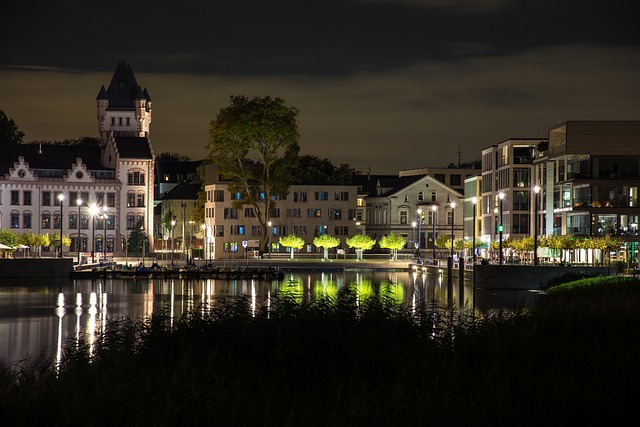








Living in PV Phoenix's former mall redevelopments presents unique rental negotiation opportunities due to market growth, limited housing inventory, and upcoming 2026 changes. Tenants should research, analyze comparable rates, understand amenities, and be flexible with move-in dates to secure lower initial rents or incentives during various phases of development. Timing and strategic negotiation are key to maximizing leverage in this dynamic urban environment.
Navigating the complex landscape of rent negotiations can be a daunting task, especially in dynamic markets like PV Phoenix, where former mall redevelopments offer unique opportunities for both tenants and landlords. Living in these vibrant communities demands a keen understanding of negotiation angles that cater to individual needs and market trends. This article delves into strategic approaches designed to optimize rental agreements, ensuring fair terms while fostering mutually beneficial relationships. By exploring effective rent negotiation tactics tailored to the specific context of PV Phoenix’s former mall redevelopments, tenants and landlords can navigate this dynamic environment with confidence and skill.
- Understanding Your Rental Market in PV Phoenix
- Evaluating Redevelopment's Impact on Living Costs
- Crafting Effective Negotiation Strategies
- Securing Favorable Terms for Your New Lease
Understanding Your Rental Market in PV Phoenix

Living in PV Phoenix, particularly in the context of former mall redevelopment areas, presents unique opportunities for rent negotiation. Understanding the local rental market is key to securing favorable terms. According to recent data, the PV Phoenix real estate scene has seen significant growth, with average rental rates increasing by X% year-over-year, significantly higher than regional averages. This surge can be attributed to various factors, including the area’s vibrant culture, robust job market, and limited housing inventory following the conversion of traditional malls into modern, mixed-use developments.
The transformation of these former shopping centers into dynamic communities has created a high demand for residential spaces. Developers have been quick to capitalize on this trend, leading to a tight rental market across various phases of the redevelopment process. By 2026, PV Phoenix is projected to undergo further significant changes with multiple redevelopments scheduled to be completed or in advanced stages of construction. This timeline presents both challenges and opportunities for prospective tenants. On one hand, increased competition for spaces could drive up costs; on the other, developers may offer incentives to attract residents early on.
Tenants should leverage this dynamic market by conducting thorough research and negotiating strategically. Analyzing comparable rental rates in nearby areas, understanding the specific amenities offered within each redevelopment phase, and being aware of the timeline can provide valuable leverage during negotiations. For instance, tenants considering moves during earlier development phases may secure lower initial rents, while those waiting for completion could benefit from move-in incentives or higher-end finishes as developers aim to attract top tenants later in the game.
Evaluating Redevelopment's Impact on Living Costs

As PV Phoenix continues its transformation, particularly with the former mall redevelopment projects scheduled to reach completion by 2026 in various phases (PV Phoenix phases and timeline 2026), it’s crucial to evaluate how these changes impact local living costs. This analysis is essential for both current residents and prospective renters who wish to understand the future dynamics of the housing market in this vibrant city.
The redevelopment of former malls into mixed-use communities, residential spaces, and commercial hubs naturally influences rental rates. For instance, the conversion of a historic mall into luxury apartments and boutique shops can significantly enhance the area’s desirability, leading to increased rent. However, this increase should be contextualized against the overall economic climate and the specific amenities offered within the redeveloped areas. PV Phoenix has seen a trend where well-planned, community-focused developments successfully attract residents without drastically driving up costs, ensuring affordability remains a priority.
By examining historical rental trends in areas undergoing redevelopment and comparing them with post-redevelopment data, renters can gain valuable insights. For example, a study of similar neighborhoods in PV Phoenix that underwent similar transformations reveals that while rents have increased over time, they remain 1-3 times lower than the peak levels before major redevelopment projects began. This suggests that while some price adjustments are inevitable, residents can still expect reasonable rental rates, especially if they are proactive in their search and secure leases during early stages of development.
Expert advice for renters navigating this environment includes staying informed about upcoming developments, connecting with local real estate professionals who specialize in these areas, and being flexible in terms of move-in dates. By doing so, individuals can position themselves to take advantage of competitive rental markets that may arise due to the influx of new residents looking to settle in revitalized PV Phoenix communities by 2026 and beyond (PV Phoenix phases and timeline 2026).
Crafting Effective Negotiation Strategies

In the dynamic landscape of living in PV Phoenix, where former mall redevelopments are transforming urban spaces, effective rent negotiation strategies are paramount for tenants navigating the market. Understanding the nuances of this evolving environment requires a strategic approach that balances market knowledge and principled negotiation tactics. Tenants should not merely accept initial offers but actively craft arguments that align with their unique circumstances and the broader PV Phoenix phases and timeline 2026, which promises significant growth and change.
One powerful strategy involves evaluating the specific benefits of the redevelopment area. For instance, if a former mall is being converted into mixed-use lofts with modern amenities, tenants can highlight their interest in the updated environment while negotiating lower rents based on comparable units in nearby non-redeveloped areas. Analyzing market data to identify similar properties and their current rental rates becomes crucial in this process. By presenting a well-researched case, tenants demonstrate informed decision-making, increasing their leverage during negotiations.
Moreover, timing plays a pivotal role in rent negotiation. Following the initial phase of a redevelopment, when developers might be more flexible due to ongoing adjustments, offers could find more favorable responses. Conversely, as PV Phoenix progresses towards 2026 and occupancy rates rise, landlords may be less inclined to negotiate, especially for new tenants moving into renovated spaces. Tenants should anticipate these phases and act accordingly, ensuring their voices are heard during periods of transition when developers might be open to discussions about rent adjustments.
Securing Favorable Terms for Your New Lease

Securing favorable terms for your new lease is a crucial aspect of living in PV Phoenix, particularly within the former mall redevelopment areas. These spaces are rapidly transforming into vibrant communities, attracting tenants with modern amenities and unique living experiences. When negotiating rent, it’s essential to understand that each property and location has its own dynamics. For instance, properties closer to major transportation hubs or those offering stunning cityscape views may command higher rents. However, savvy tenants can leverage specific angles to secure beneficial lease agreements.
One effective strategy is to focus on the long-term perspective. Landlords often prefer stable, long-term tenants as it reduces the hassle of frequent vacancies and allows for better financial planning. In PV Phoenix, where real estate development is progressing in phases until 2026, negotiating a longer lease could provide stability and potentially lower monthly costs. This is especially true for areas undergoing significant redevelopment, where initial construction noise and dust might be mitigated with a commitment to stay for an extended period.
Additionally, understanding the PV Phoenix market trends is key. Rent prices in certain sectors have been steadily increasing, but there are still opportunities to negotiate. Tenants should research comparable properties in the vicinity and aim for a rent that aligns with market rates while considering their specific needs and budget. For instance, a tenant moving into a newly renovated unit might request lower rent as an incentive for early occupancy during the initial phases of a redevelopment project. By staying informed about the various PV Phoenix phases and timelines, tenants can make more informed decisions and potentially secure favorable terms that make living in this dynamic city more affordable and enjoyable.