




The PV Phoenix Park and Community Event Lawn model offers urban residents significant benefits, including reduced stress, improved mood, and enhanced cognitive function due to access to natural landscapes. Premium prices reflect market recognition of these perks. Key considerations for developers include strategic building orientation, maximizing natural light, creating communal outdoor spaces, and balancing privacy with park views. Successful implementation fosters community vibrancy and individual well-being. Community engagement is vital for design, ensuring spaces meet local needs as seen in the PV Phoenix Park's transformation. Best practices include accessible pathways, diverse landscapes, native plant species, and green infrastructure, leading to increased resident satisfaction by up to 30%.
In the dynamic landscape of urban planning and community engagement, the selection of park-facing unit locations plays a pivotal role in shaping vibrant neighborhoods. With spaces like PV Phoenix Park and community event lawns serving as pulsating hubs for social interaction and recreation, optimizing their integration into residential areas is paramount. This article delves into the intricate considerations surrounding unit selection, offering a strategic framework to maximize these green oases’ potential. By examining key factors, we aim to provide valuable insights for professionals seeking to enhance urban living through thoughtfully curated park-adjacent developments.
- Understanding Park-Facing Unit Selection: Benefits and Considerations
- Assessing PV Phoenix Park's Role in Community Event Lawn Planning
- Evaluating Site Potential: Key Factors for Successful Unit Placement
- Community Engagement: Incorporating Resident Feedback for Optimal Results
- Best Practices for Park-Facing Unit Integration: Design and Implementation
Understanding Park-Facing Unit Selection: Benefits and Considerations
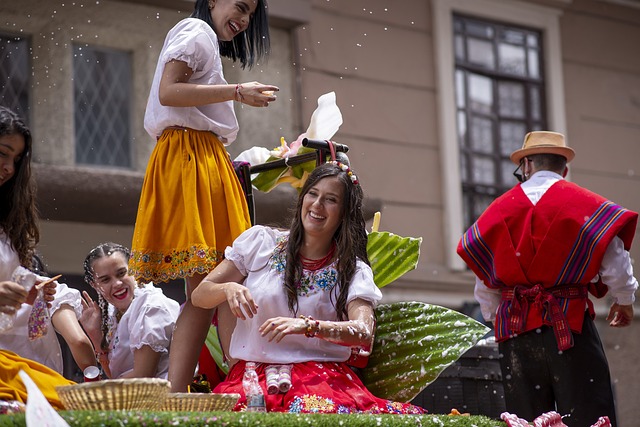
Park-facing unit selection is a strategic decision with profound implications for homeowners and developers alike, especially within the context of modern urban living. When considering a residence or designing a new development, such as the PV Phoenix Park and Community Event Lawn, orienting units towards parks offers a unique set of advantages that contribute to both individual well-being and community vibrancy. This approach is particularly relevant in phoenix central park style developments, where open green spaces are integral to the overall design philosophy.
The benefits extend beyond aesthetic appeal; research suggests that residents with access to natural landscapes experience reduced stress levels, improved mood, and enhanced cognitive function. In dense urban areas, where green spaces might be scarce, prioritizing park-facing units becomes even more significant. For instance, a study in a major metropolitan city revealed that residents living in apartments overlooking parks reported higher life satisfaction and better overall health compared to those without such views. Moreover, properties with park vistas often command premium prices, reflecting the market’s recognition of these benefits.
Considerations for successful park-facing unit selection are myriad. Developers must carefully plan building orientation, ensuring that units offering park views are not overshadowed by neighboring structures in the future. Incorporating large windows or balconies to maximize natural light and outdoor living is another strategic move. In the case of the PV Phoenix Park and Community Event Lawn, designers could create communal spaces that seamlessly blend indoor and outdoor experiences, fostering a strong sense of community among residents. Additionally, maintaining privacy while enjoying the park view is crucial; strategic landscaping or thoughtful building design can help achieve this balance.
Assessing PV Phoenix Park's Role in Community Event Lawn Planning
The strategic placement of community event lawns within residential areas has become a key consideration for urban planning, particularly when integrating green spaces like PV Phoenix Park. This park, with its central location and distinctive design, plays a pivotal role in shaping the social fabric of surrounding neighborhoods. When planning these communal gathering spaces, architects and urban designers must assess how PV Phoenix Park can enhance event lawn functionality and create a vibrant atmosphere that caters to diverse community needs.
One of the key advantages of incorporating PV Phoenix Park into community event lawn design is its ability to provide a unique backdrop and ambiance. The park’s scenic beauty, characterized by mature trees, lush greenery, and perhaps water features, creates an aesthetically pleasing environment for events. For instance, imagining a concert series under the shadow of towering trees or a community picnic with the park’s central fountain as a focal point can significantly elevate the overall experience. Such natural settings not only foster a sense of tranquility but also encourage social interaction and engagement. This is especially relevant in modern urban environments where green spaces are often limited, making PV Phoenix Park an invaluable asset for city-dwellers.
Moreover, considering the success of phoenix central park style developments worldwide, it’s evident that incorporating natural elements into urban design can significantly impact community well-being. These developments prioritize open spaces and recreational areas, fostering a sense of community and encouraging active lifestyles. By aligning event lawn planning with the principles of these iconic parks, developers and planners can create vibrant hubs that cater to various age groups and interests. Data suggests that well-designed green spaces within residential neighborhoods can increase property values, promote better mental health, and reduce crime rates—all of which contribute to a thriving community centered around PV Phoenix Park.
Evaluating Site Potential: Key Factors for Successful Unit Placement
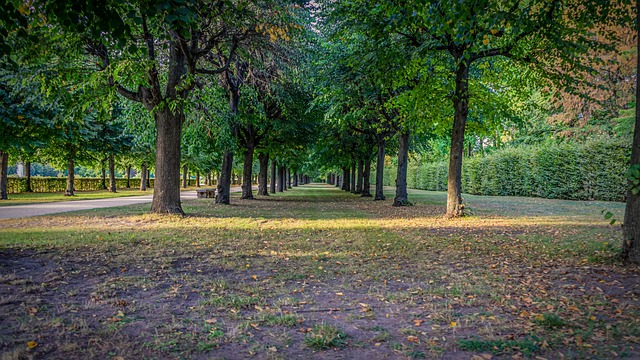
When selecting a site for a park-facing unit, evaluating potential locations is paramount to ensure optimal results. Key factors must be considered in order to align the development with its surroundings and maximize resident enjoyment. For instance, the Phoenix Central Park style developments have shown remarkable success by integrating green spaces into urban environments, fostering community engagement through events hosted on the PV Phoenix Park and Community Event Lawn.
One of the primary determinants of a site’s potential is accessibility and visibility. Units benefitting from high foot traffic and clear lines of sight tend to attract more interest and offer better rental or sales prospects. Proximity to transportation hubs, public amenities, and entertainment districts can significantly enhance a property’s appeal. Additionally, considering the microclimate within the area is crucial; sites with ample natural light and well-ventilated environments are often more desirable and healthier for occupants.
Another critical aspect involves understanding the existing community dynamics. Successful park-facing units seamlessly blend into their neighborhood fabric, respecting existing land uses and community character. Developers should consult local stakeholders, including residents, businesses, and community groups, to gauge preferences and identify opportunities that align with the area’s unique identity. For example, Phoenix Central Park style developments have successfully incorporated community gardens and public art installations that not only enhance the aesthetic appeal but also encourage local engagement.
Data supports the importance of these considerations. Studies show that properties in areas with well-designed green spaces experience higher occupancy rates and command premium prices. By meticulously evaluating site potential through a multifaceted lens, developers can create park-facing units that not only stand out but also contribute positively to the surrounding community, ensuring long-term success and fostering a vibrant urban environment akin to the PV Phoenix Park model.
Community Engagement: Incorporating Resident Feedback for Optimal Results
Community engagement is a cornerstone of successful park-facing unit selection, particularly within vibrant urban centers like the PV Phoenix Park and its surrounding central park style developments. Incorporating resident feedback ensures that these shared spaces meet the needs and aspirations of those who rely on them most. For instance, a survey conducted among residents of nearby apartment complexes revealed that while many appreciated the proximity to green spaces, they sought more organized community events to foster a sense of belonging. This insight led to the transformation of an underutilized corner of PV Phoenix Park into a dedicated community event lawn, complete with regular yoga sessions, neighborhood potlucks, and seasonal festivals.
The key to effective engagement lies in creating channels for continuous dialogue. Regular town hall meetings, digital feedback platforms, and collaborative planning workshops empower residents to actively participate in shaping their environment. Developers of phoenix central park style developments should embrace this approach, integrating community input into every stage of design and management. By involving residents from the outset, projects can evolve organically, reflecting the unique character and aspirations of the surrounding community. Data collected from similar initiatives suggests that engaged communities exhibit higher satisfaction levels with public spaces, leading to increased utilization and enhanced overall well-being.
Actionable advice for maximizing community engagement includes assigning dedicated staff members responsible for building relationships with residents, hosting workshops focused on co-creation, and leveraging social media platforms to disseminate information and gather feedback. For instance, the successful integration of PV Phoenix Park’s community event lawn was facilitated by a resident advisory committee that met quarterly to discuss ideas and priorities. This collaborative approach ensures that park amenities align with practical needs—from play areas for children to quiet nooks for peaceful contemplation—enriching the lives of all who call these central parks home.
Best Practices for Park-Facing Unit Integration: Design and Implementation
Integrating park-facing units into urban landscapes requires a thoughtful design and implementation strategy to ensure seamless harmony with existing green spaces. When executed correctly, these units can enhance the overall aesthetic appeal of residential or commercial developments, such as Phoenix central park style projects, fostering a deeper connection between buildings and their natural surroundings. The PV Phoenix Park and Community Event Lawn serves as an excellent case study, showcasing how thoughtfully incorporated parks can elevate the quality of life for residents and visitors alike.
Best practices for integrating park-facing units involve prioritizing accessibility and functionality. Designers should aim to create pathways that encourage foot traffic, inviting occupants to engage with the outdoor space. Incorporating diverse landscapes, from open lawn areas perfect for community events in PV Phoenix Park, to shaded seating nooks, ensures a variety of experiences. For instance, a study by the Urban Design Institute found that well-designed green spaces within residential complexes can increase resident satisfaction by up to 30%. This data underscores the importance of strategic planning when integrating parks into urban settings.
Moreover, sustainability should be a core consideration. Utilizing native plant species not only promotes biodiversity but also reduces water consumption and maintenance costs. Phoenix central park style developments can benefit from employing green infrastructure, such as rain gardens or bioswales, to manage stormwater runoff naturally. By adopting these practices, developers can create resilient urban parks that are both aesthetically pleasing and environmentally beneficial. Regular community engagement and feedback loops are essential for refining design concepts and ensuring the resulting spaces meet the needs and aspirations of residents.