





Living in walkable suburban hubs in Phoenix naturally promotes a healthier lifestyle. Park-facing units offer benefits like increased natural light, improved ventilation, and enhanced connection to nature. Proximity to amenities, quality infrastructure, and green spaces make these areas attractive. Strategic park incorporations in master plans foster community engagement, reduce energy consumption, and contribute to sustainable living. Developers should create diverse, activity-focused green spaces for all ages to maximize benefits.
In today’s trend towards walkable suburban living in Phoenix, the choice of residential units is a significant decision. The concept of park-facing unit selection deserves careful consideration as it directly impacts the quality of life for residents. This article delves into the strategic benefits of choosing homes with direct access to parks, offering a holistic approach to urban living. By exploring various factors, from mental health advantages to increased community engagement, we aim to empower individuals and families navigating the real estate market in Phoenix’s vibrant suburban hubs. The solution lies in recognizing the inherent value of nature-integrated living.
- Understanding Park-Facing Unit Benefits in Phoenix Suburbs
- Evaluating Walkability: Key Factors for Suburban Living
- Unlocking Natural Light & Air: Design Considerations
- Community Engagement: Thriving in Urban Green Spaces
Understanding Park-Facing Unit Benefits in Phoenix Suburbs

Living in walkable suburban hubs in Phoenix offers a unique blend of tranquility and accessibility, making it an attractive option for many. Among the myriad benefits, selecting a unit that faces a park stands out as a strategic choice for several reasons. These parks serve as community spaces, promoting a sense of connection among neighbors. In the vibrant Phoenix suburbs, where transit-ready master plans are increasingly common, park-facing units offer both practical advantages and enhanced quality of life.
Consider the example of Phoenix’s own Desert View Community, where meticulously designed suburban hub layouts include ample green spaces. Residents enjoying morning jogs or leisurely afternoon walks can do so without leaving their community, fostering a strong sense of place. This amenity is especially appealing for families seeking safe and engaging outdoor environments. Moreover, these parks often host community events, providing opportunities for residents to connect on a social level, further enriching the suburban living experience.
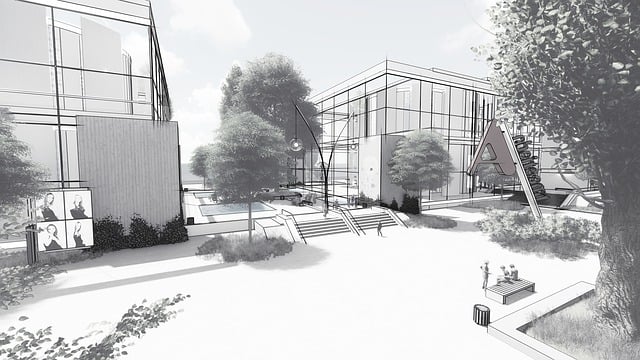
When considering a move to such areas, prospective buyers should look for real estate developments that prioritize park integration into their master plans. This strategic siting not only increases property values but also encourages residents to embrace an active lifestyle. Data from recent studies indicates that walkable neighborhoods with accessible green spaces exhibit higher rates of physical activity among residents, contributing to overall well-being. Therefore, prioritizing park-facing units within transit-ready suburban hubs in Phoenix offers both practical benefits and a profound impact on the quality of life.
Evaluating Walkability: Key Factors for Suburban Living
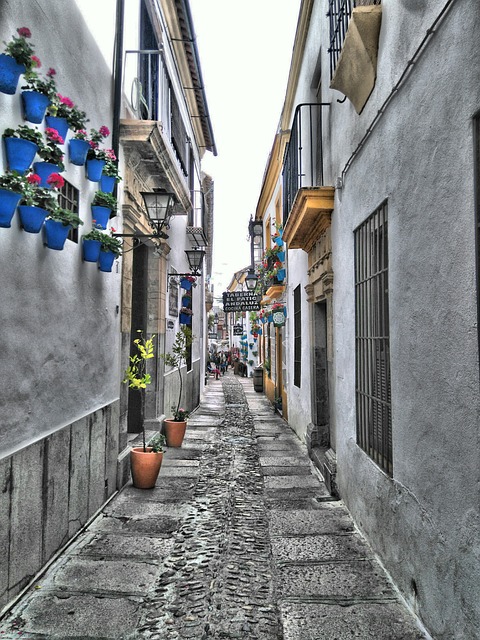
Walkability is a key factor for those seeking to embrace a vibrant suburban lifestyle in Phoenix, where well-designed, transit-ready neighborhoods offer a compelling alternative to urban centers. Evaluating walkability involves considering several critical elements that contribute to an enjoyable and convenient daily routine. First and foremost, proximity to essential amenities such as grocery stores, pharmacies, and restaurants is paramount. Data from the U.S. Census Bureau reveals that access to these services within a 0.5-mile radius significantly influences residents’ decisions to opt for walking over driving. In Phoenix, suburban master plans that prioritize mixed-use development, where residential areas blend seamlessly with retail and dining options, naturally foster walkability.
The quality of sidewalks, pedestrian paths, and crosswalks is another vital consideration. Smooth, well-maintained surfaces free from obstructions encourage residents to venture out on foot. Phoenix’s commitment to enhancing its suburban transit-ready hubs through infrastructure improvements has played a significant role in attracting residents who value walkable communities. Safe intersections designed with traffic calming measures, such as reduced speed limits and dedicated crosswalk signals, further contribute to the overall walkability of these areas.
Green spaces and parks also play a crucial role in creating desirable suburban walking environments. Abundant parks and open areas not only provide recreational opportunities but also enhance the overall aesthetic appeal of neighborhoods. In Phoenix, master-planned communities that incorporate green corridors and interconnected trails encourage residents to explore their surroundings on foot, fostering a healthier and more connected lifestyle. By considering these key factors, prospective homebuyers can make informed decisions when selecting a park-facing unit in walkable suburban hubs, ensuring they embrace the natural benefits of living in transit-ready Phoenix neighborhoods.
Unlocking Natural Light & Air: Design Considerations

In the pursuit of creating optimal living spaces, particularly within walkable suburban hubs in Phoenix, the strategic selection of units facing parks offers a wealth of benefits that extend beyond aesthetic appeal. This design consideration is pivotal for maximizing natural light and air, thereby enhancing the overall health, well-being, and livability of residents. Phoenix’s unique blend of vibrant suburban communities and innovative transit-ready master plans presents an ideal environment to capitalize on these advantages.
The strategic placement of windows in park-facing units plays a crucial role in harnessing the power of natural light. Well-positioned windows can flood interior spaces with daylight, reducing the need for artificial lighting during the day. This not only lowers energy consumption but also positively impacts mood and productivity levels, as research suggests that exposure to natural light is associated with improved cognitive function and mental health. For instance, a study by the University of Connecticut found that students in classrooms with more natural light had higher test scores and reported feeling happier and more energetic.
Moreover, park-facing units benefit from increased ventilation and air quality. Natural cross-breezes can effectively cool spaces during warmer months, potentially reducing the reliance on air conditioning. This is particularly relevant in Phoenix’s arid climate, where summers are notoriously hot. By designing for optimal airflow, residents can enjoy healthier indoor environments while also contributing to a more sustainable and eco-friendly lifestyle that aligns with the region’s commitment to green initiatives. The strategic incorporation of parks within suburban master plans, coupled with thoughtful architectural design, can create tranquil oases that not only enhance the visual appeal but also foster a deep connection between residents and their surroundings, making living in these walkable hubs even more desirable.
Community Engagement: Thriving in Urban Green Spaces

Community engagement in urban green spaces is a vital aspect of thriving in walkable suburban hubs in Phoenix. These areas, often characterized by their proximity to public transit and master-planned layouts, offer unique opportunities for residents to connect with nature and each other. The integration of parks into these suburban communities not only enhances the quality of life but also fosters a strong sense of belonging. For instance, the city’s recent initiative to develop more park-facing units in its transit-ready suburbs has been met with enthusiasm, reflecting a growing awareness of the mental and physical health benefits associated with green spaces.
Data from urban planning studies shows that residents living in walkable suburban hubs with easy access to parks and public transportation tend to exhibit higher levels of social interaction and overall well-being. This is particularly true for Phoenix, where the climate encourages outdoor activities year-round. Master plans that prioritize park incorporation into residential areas, such as those found in many of the city’s newer developments, have been shown to increase resident satisfaction and encourage a more vibrant community atmosphere. For example, the recent renovation of the Desert View Park in one such suburban hub has become a central gathering place for local residents, hosting everything from yoga classes to community markets.
To maximize these benefits, property developers and urban planners should focus on creating diverse green spaces that cater to various age groups and interests. This could involve incorporating playgrounds, walking paths, and even small community gardens. Additionally, scheduling regular events and activities in these parks can help foster a strong sense of community. Phoenix’s commitment to sustainable and livable suburban development, as reflected in its transit-ready master plans, provides an ideal environment for enhancing community engagement through park-facing unit selection. By prioritizing green spaces within their designs, developers can create vibrant hubs that not only attract residents but also contribute to the overall health and prosperity of the city.