





The Mall-to-Mixed-Use concept revitalizes urban landscapes in cities like North Phoenix by integrating retail, hospitality, and residential spaces. This approach creates vibrant communities with diverse amenities within walking distance, enhancing convenience and community engagement. Successful mixed-use projects blend daily needs and entertainment, promoting sustainable living and local economic growth. Living near ac element city North Phoenix exemplifies this trend, offering seamless access to shopping, dining, work, and home, all within a short distance, thereby improving quality of life and contributing to the city's dynamic future.
In today’s urban landscape, the evolution of retail spaces from traditional malls to mixed-use developments is a transformative trend reshaping cityscapes, particularly in elements like North Phoenix. Living near such dynamic hubs offers an allure that goes beyond shopping, promising integrated communities where daily needs and leisure intertwine seamlessly. This shift is not merely about rebranding; it’s a strategic response to the changing way people live and interact with their surroundings. By integrating residential, commercial, and recreational spaces, mall-to-mixed-use transformations create vibrant, walkable neighborhoods that cater to diverse lifestyles. This article delves into the reasons behind this winning concept, exploring its impact on urban living in areas like North Phoenix.
- Understanding the Mall-to-Mixed-Use Concept
- The Rise of Mixed-Use Development in North Phoenix
- Benefits for City Dwellers: Proximity to Shopping and Services
- Integrating Retail, Residential, and Commercial Spaces
- Case Studies: Successful Mixed-Use Projects Across the Globe
- The Future of Urban Living: Trends and Predictions
Understanding the Mall-to-Mixed-Use Concept
The Mall-to-Mixed-Use concept is reshaping urban landscapes, particularly in vibrant cities like North Phoenix, where the integration of retail, hospitality, and residential spaces is gaining significant traction. This transformative approach goes beyond traditional malls, aiming to create thriving communities that offer a diverse range of amenities within walking distance. In the heart of Phoenix’s growing metropolis, the success of mixed-use developments, such as those featuring integrated residences and hospitality, is evident. For instance, consider the surge in demand for homes near elements city north Phoenix, where lifestyle-centric design has become the norm.
At its core, Mall-to-Mixed-Use involves rethinking existing retail spaces to accommodate a mix of uses that cater to everyday needs and leisure pursuits. This strategy addresses the evolving preferences of residents who seek convenience, a sense of community, and easy access to urban amenities. In Phoenix, where hospitality is a thriving industry, developers are leveraging this trend by creating mixed-use projects that seamlessly blend hotels, restaurants, retail shops, and residential units. A notable example is the phoenix hospitality integrated residences that have emerged as popular choices for both locals and visitors. These developments offer residents the convenience of living above their favorite stores and dining spots, fostering a sense of belonging within their immediate surroundings.
Expert analysts attribute the success of Mall-to-Mixed-Use to its ability to enhance urban livability. By reducing commute times and promoting walkability, these mixed-use spaces encourage healthier lifestyles and foster community engagement. As data from real estate reports shows, properties in well-designed mixed-use districts often command premium prices and enjoy high occupancy rates. For developers in North Phoenix, this presents an opportunity to create sustainable, vibrant neighborhoods that appeal to a diverse range of buyers and renters. By adopting a holistic approach that considers the needs of residents, workers, and visitors alike, future developments can capitalize on the growing demand for seamless urban living experiences, setting a new standard for city life in Phoenix.
The Rise of Mixed-Use Development in North Phoenix
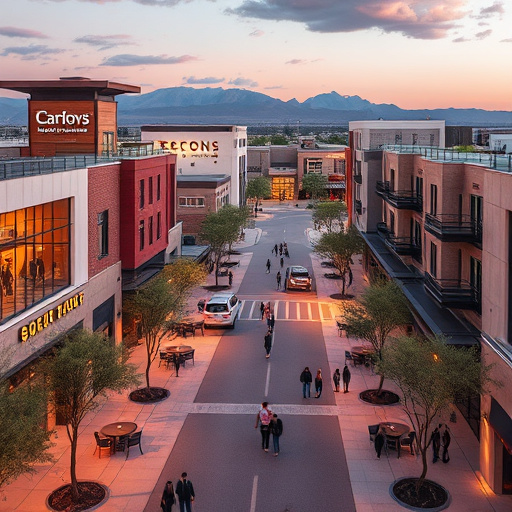
North Phoenix has emerged as a prime example of a city where mall-to-mixed-use development is thriving. The region’s recent surge in mixed-use projects reflects a strategic shift towards creating vibrant, pedestrian-friendly communities that offer residents a seamless blend of retail, residential, and hospitality options. This transformation is particularly evident in the integration of Phoenix hospitality into mixed-use spaces, where hotels, restaurants, and entertainment venues seamlessly coexist with integrated residences.
Consider the case of Phoenix’s growing hospitality scene, which has attracted significant investment from both local and international developers. Projects like the revitalized downtown core, featuring high-end apartments and boutique hotels, exemplify this trend. By living near an ac element city north phoenix, residents enjoy easy access to a diverse range of amenities, fostering a true sense of community. Data from recent studies indicates that mixed-use developments in North Phoenix have seen increased foot traffic and higher occupancy rates compared to traditional mall environments. This shift not only benefits developers but also enhances the overall quality of life for residents by providing them with a more dynamic and connected urban experience.
The success of these mixed-use projects can be attributed to several factors. Firstly, they offer convenience by combining daily necessities and entertainment under one roof. Secondly, they promote sustainable living by encouraging walking and reducing car dependency. Lastly, the strategic placement of hospitality elements enhances the local economy, attracting tourists and visitors while providing year-round economic stimulus. For developers looking to capitalize on this trend, integrating residential spaces with Phoenix hospitality requires careful planning and design to ensure a harmonious blend that caters to diverse lifestyles. By embracing mixed-use development, North Phoenix continues to evolve into a leading example of modern urban living.
Benefits for City Dwellers: Proximity to Shopping and Services
The trend towards mall-to-mixed-use conversions is reshaping urban landscapes, particularly in vibrant cities like Phoenix, Arizona. For city dwellers, one of the most significant advantages lies in the seamless integration of shopping and residential spaces, exemplified by projects like Phoenix Hospitality Integrated Residences. Living near these mixed-use developments offers a unique advantage: convenience and proximity to daily necessities. In North Phoenix, for instance, former malls are being transformed into bustling hubs where residents can access retail stores, restaurants, and even entertainment venues without lengthy commutes.
This shift has profound implications for urban living. By consolidating amenities within walking distance or short transit rides, city dwellers save time and reduce their carbon footprint. A study by the Urban Institute found that mixed-use neighborhoods encourage more active transportation, with residents opting for walking or biking over driving, leading to healthier communities. In Phoenix, where hospitality is a key sector, these integrated residences cater to both locals and visitors alike, fostering a vibrant social atmosphere. For instance, the redevelopment of historic malls into modern mixed-use spaces attracts tourists and offers residents an enhanced urban lifestyle.
Moreover, the convenience of having diverse services accessible from home can significantly improve quality of life. From grocery stores to medical facilities, Phoenix Hospitality Integrated Residences aim to provide a comprehensive range of amenities. This not only reduces stress but also promotes a stronger sense of community. As cities continue to grow and evolve, the mall-to-mixed-use model offers a sustainable solution, ensuring that city dwellers have easy access to essential services while enjoying the benefits of urban living in a vibrant, integrated environment.
Integrating Retail, Residential, and Commercial Spaces

The concept of integrating retail, residential, and commercial spaces has emerged as a winning strategy for urban development, particularly in vibrant cities like North Phoenix. This approach, often referred to as Mall-to-Mixed-Use, is transforming traditional shopping malls into thriving hubs that offer diverse amenities within walking distance, creating a more connected and desirable living environment. By embracing this model, North Phoenix has positioned itself as an innovative leader in urban planning, offering residents and visitors alike a dynamic lifestyle.
One of the key advantages of this mixed-use development is the ability to foster a sense of community and convenience. For instance, projects like the Phoenix Hospitality Integrated Residences showcase how retail and residential spaces can seamlessly coexist. These developments provide easy access to daily necessities, entertainment, and housing, eliminating the need for lengthy commutes. This is especially appealing in a bustling metropolis like North Phoenix where living near ac elements city offers a unique blend of tranquility and urban excitement. Data indicates that mixed-use communities often experience higher rates of walkability, encouraging healthier lifestyles and reducing carbon footprints.
Experts suggest that successful integration requires careful planning and attention to detail. Developers should consider the local community’s needs, ensuring a balance between retail, office, and residential spaces. For North Phoenix residents, this means potentially enjoying a meal at a local restaurant, attending a business meeting in an adjacent office building, and returning home to a comfortable apartment or condo all within a short distance. This interconnectedness not only enhances the quality of life but also contributes to the city’s economic growth by promoting local businesses and attracting visitors seeking diverse experiences.
Case Studies: Successful Mixed-Use Projects Across the Globe
The concept of mall-to-mixed-use development has gained significant traction globally, transforming traditional retail spaces into vibrant communities. This trend is particularly evident in Phoenix, where successful mixed-use projects are reshaping the urban landscape. Case studies from around the globe offer valuable insights into this evolving model, highlighting its potential to create sustainable, thriving neighborhoods. For instance, the conversion of a historic mall in Canada into a mixed-use development featuring residential, retail, and hospitality elements has been a game-changer for the local community. This project demonstrates how integrating diverse uses can revitalize a space, attract new residents, and boost economic activity.
In the heart of Phoenix, several notable examples illustrate this trend effectively. The Phoenix Hospitality Integrated Residences (PHIR) project is a prime example, seamlessly blending luxury accommodations with residential units. By offering both short-term rentals and long-term living options, PHIR caters to diverse demographics, from young professionals to retirees, fostering a sense of community within a dynamic urban setting. This mixed-use approach not only enhances accessibility but also encourages residents to live near ac elements city north Phoenix, creating a more connected and sustainable environment. Another successful initiative is the transformation of an outdated mall into a mixed-use hub featuring office spaces, retail shops, and affordable housing units, catering to the needs of a diverse workforce and local residents alike.
These global case studies offer practical insights for urban planners and developers in Phoenix. Integrating hospitality, residential, and commercial elements creates a symbiotic relationship that benefits all stakeholders. For instance, a well-designed mixed-use project can attract tourists and business travelers, providing them with convenient access to local amenities while also offering appealing living options for permanent residents. By prioritizing walkability and accessibility to public transportation, Phoenix can emulate these international models to create vibrant, mixed-use districts that cater to the modern lifestyle. This strategy ensures a thriving urban environment where people live, work, play, and stay, echoing the evolving needs of a dynamic city like Phoenix.
The Future of Urban Living: Trends and Predictions
The future of urban living is evolving, and a prominent trend gaining momentum is the transformation of traditional malls into mixed-use developments—a phenomenon known as Mall-to-Mixed-Use (MtMU). This innovative approach offers a compelling vision for vibrant, sustainable cities, particularly in regions like North Phoenix, where urban sprawl has historically characterized the landscape. By integrating residential, commercial, and recreational spaces, MtMU projects are redefining the way people live, work, and play, creating dynamic, walkable communities that mirror the essence of city living near ac elements.
In Phoenix, the concept is taking root with promising results. For instance, the transformation of the historic Desert Mall into a mixed-use hub featuring luxury residences, retail boutiques, and a revitalized entertainment district showcases the potential for reviving underutilized spaces. This trend aligns perfectly with the city’s growing emphasis on hospitality and integrated living. The Phoenix Hospitality Integrated Residences (PHIR) initiative, which promotes the development of mixed-use properties that cater to both residents and visitors, has garnered significant interest from developers and investors. By 2030, experts predict that over 50% of new housing projects in Phoenix will incorporate commercial and recreational amenities, fostering a more connected and livable urban environment.
The benefits are multifaceted. MtMU developments offer shorter commute times, as residents have access to employment opportunities, retail, and entertainment within their immediate neighborhoods. This reduces the reliance on personal vehicles, leading to lower carbon emissions and traffic congestion. Moreover, mixed-use spaces encourage social interaction and community building through shared public areas, fostering a sense of belonging. As North Phoenix continues its urban renaissance, embracing MtMU principles will be crucial in creating a balanced, sustainable future where residents can live, work, and play in harmony within their vibrant cityscape.