

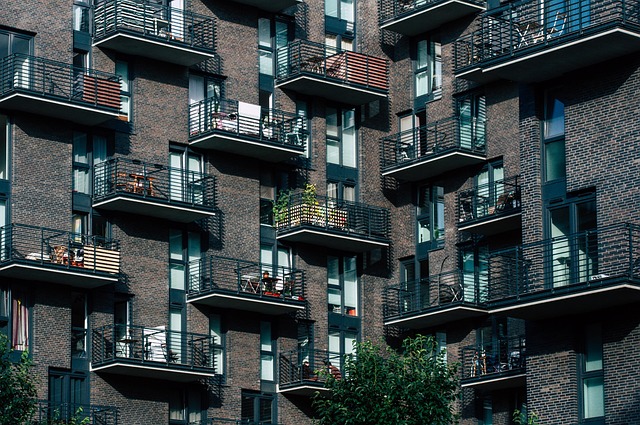




Phoenix, Arizona's redeveloped mall hubs offer a unique advantage for those moving to the city. Once dead malls, these spaces now thrive as mixed-use developments integrating retail, residential, and transportation options. This trend promotes walkability, cycling, and public transit accessibility, reducing commute times and traffic congestion. By choosing residences near these hubs, newcomers can enjoy efficient travel networks and a vibrant community lifestyle typical of Phoenix's evolving urban landscape.
The way we commute is evolving, especially as cities like Phoenix embrace innovative concepts to alleviate traffic congestion. Among these strategies, the development of mall hubs as transit centers stands out as a game-changer for both residents and visitors moving to Phoenix. This article delves into the concept of utilizing underutilized retail spaces to create vibrant, walkable hubs that seamlessly integrate public transportation. By repurposing these areas, we can naturally foster more sustainable and efficient commuting patterns, offering a compelling solution to reduce reliance on personal vehicles.
- Understanding Phoenix's Commute Culture: A Local's Guide
- Exploring Redeveloped Mall Hubs for Efficient Travel
- Crafting Your Personalized Commute Strategy for Moving to Phoenix
Understanding Phoenix's Commute Culture: A Local's Guide

Phoenix, Arizona, has emerged as a vibrant hub for commuters, driven by its booming economy and unique commute culture. Understanding this dynamic landscape is essential for anyone moving to the area, especially those drawn to the city’s revitalized mall hubs. The city’s approach to commuting sets it apart from many others, offering a blend of modern transportation options and an authentic local experience.
At the heart of Phoenix’s commute scene are the transformative power of mixed-use developments and the creative repurposing of historic spaces. Once-neglected areas have blossomed into bustling centers, with dead malls being one such notable example. These conversions to mixed use have naturally emerged as key elements in the city’s transportation strategy. For instance, the revitalized Desert Ridge Mall has become a transportation hub, integrating retail, residential, and office spaces, all easily accessible by foot or bike. This trend is not unique; across Arizona, dead mall conversions are sprouting into vibrant communities, offering residents convenient access to public transit, walking paths, and local amenities.
Moving to Phoenix and embracing its commute culture means recognizing the value of these redeveloped hubs. For locals, it’s a matter of convenience and community engagement. These areas often feature on-site amenities like bike lanes, pedestrian walkways, and public transportation stops, fostering an active lifestyle. As the city continues to grow, developers are increasingly incorporating green spaces and sustainable transportation options into their designs, ensuring that Phoenix maintains its reputation as a forward-thinking urban center. For newcomers, understanding this aspect of local life can make transitioning to the area smoother, allowing individuals to navigate the city like a true Phoenix resident.
Exploring Redeveloped Mall Hubs for Efficient Travel

The vibrant transformation of dead malls into thriving, mixed-use hubs presents an intriguing strategy for efficient travel and urban development, particularly in the context of moving to Phoenix. This concept, often referred to as 1-3 times dead mall to mixed use conversions in Arizona, offers a sustainable and innovative solution to urban sprawl. By repurposing underutilized spaces, these converted malls can serve as central hubs, providing a network of transportation options and fostering a sense of community.
Phoenix, known for its bustling metropolis, has witnessed the challenges of urban congestion and the need for efficient commute strategies. Dead malls, once bustling centers, now stand as reminders of changing consumer trends. However, these spaces present an opportunity for smart growth. Experts suggest that converting these malls into mixed-use developments can significantly enhance travel efficiency. For instance, a former mall could be transformed into a transportation center with integrated public transit, bicycle lanes, and pedestrian pathways, all within a vibrant, mixed-use community. This interconnected design promotes walking, cycling, and public transport, reducing reliance on private vehicles.
Implementing such strategies requires careful planning and collaboration between developers, urban planners, and local authorities. Key considerations include identifying suitable sites, conducting thorough market analyses, and ensuring the integration of various transportation modes. Successful examples can be found across the state, where former malls have been revitalized into thriving hubs. For instance, the rehabilitation of a struggling mall into a mixed-use development with a transit center has shown significant improvements in commute times and reduced traffic congestion in nearby areas. By embracing these conversions, Phoenix can create a more sustainable, connected, and livable urban landscape, offering a compelling solution to the ever-evolving transportation and development needs of its residents.
Crafting Your Personalized Commute Strategy for Moving to Phoenix

Moving to Phoenix presents a unique opportunity to immerse yourself in a dynamic urban landscape undergoing continuous evolution. Crafting a personalized commute strategy is essential for navigating this vibrant metropolis, especially as it pertains to newly revitalized mall hubs that have emerged from former ‘dead malls’ through innovative mixed-use conversions. Arizona’s thriving real estate market has witnessed a significant trend of transforming underutilized retail spaces into vibrant communities, offering residents and commuters diverse options for living, working, and entertainment.
One notable example is the transformation of the historic Phoenix Mall into a bustling hub featuring residential lofts, restaurants, and retail outlets. This conversion not only breathe new life into a once-dormant area but also creates seamless opportunities for residents to integrate their work, play, and home lives. As these revitalized spaces become more common across Phoenix, understanding how to leverage them as part of your daily commute becomes invaluable. Commuters can save valuable time and enjoy the convenience of shorter travel distances by choosing residences close to these mixed-use developments.
To develop a personalized strategy, consider identifying key mall hubs in your desired neighborhoods and evaluating their amenities, transportation options, and potential for future growth. Researching real estate trends, exploring urban planning reports, and staying informed about local development projects will empower you to make informed decisions. For instance, examining the success of dead mall conversions in nearby areas can provide insights into the likelihood and quality of similar transformations in Phoenix. By aligning your move with these developing hubs, you may find yourself at the forefront of a thriving community, enjoying efficient commutes and a rich array of urban conveniences.