





Living in walkable suburban hubs in Phoenix presents noise pollution challenges from traffic, construction, and events. Mitigation strategies include sound-absorbing landscapes, thoughtful road design, and green infrastructure. Homeowners can use trees, soundproof windows, and acoustic walls. Engaging with local governments is crucial for adopting design principles that enhance tranquility. Event organizers should use sound systems and select venues away from main roads. Strategic community engagement, urban planning, and digital platform use are key to creating peaceful living spaces. Eco-friendly neighborhoods with green spaces and pedestrian pathways significantly improve mental health and well-being. Developers must prioritize open space and efficient transportation options for thriving, peaceful communities.
In today’s fast-paced world, understanding the impact of noise on our daily lives is more crucial than ever, especially for those living in walkable suburban hubs like Phoenix. The cacophony of urban sounds can disrupt our well-being and event-day experiences, from traffic noises to construction sites and crowded streets. This article delves into the reality check needed to mitigate these environmental noise levels, ensuring that vibrant suburban communities remain livable and enjoyable for residents and visitors alike. We will explore innovative solutions to create quieter spaces, enhancing the quality of life in Phoenix’s walkable areas.
- Understanding Noise Pollution in Suburban Phoenix
- The Impact on Event-Day Experiences
- Walkable Hubs: A Natural Solution for Noise Reduction
- Community Engagement for Change
- Implementing Practical Noise Mitigation Strategies
- Celebrating Tranquil Spaces in Living Environments
Understanding Noise Pollution in Suburban Phoenix

Living in walkable suburban hubs in Phoenix offers a unique blend of tranquility and accessibility, but it’s crucial to understand the hidden challenge of noise pollution that can affect quality of life. Suburban Phoenix, with its growing population and expanding urban footprint, faces a significant issue with noise levels, particularly during large-scale events and daily commutes. This problem is exacerbated by the dense development patterns and the region’s vibrant yet bustling culture.
Noise from traffic, construction, festivals, and sports events can disrupt the peace and quiet sought after by many suburban residents. The impact of persistent noise goes beyond mere annoyance; chronic exposure to loud sounds can lead to health issues such as stress, sleep disturbances, and even cardiovascular problems. For those living in close proximity to event venues or heavily trafficked roads, these effects can be pronounced. Understanding the sources and extent of noise pollution is a critical first step toward mitigating its impact.
Phoenix transit-ready suburban master plans offer a promising solution to balance urban vibrancy with livable environments. By incorporating sound-absorbing landscapes, strategically designed road layouts, and thoughtfully placed public spaces, these master plans can significantly reduce noise levels for nearby residents. For instance, cities like Gilbert and Tempe have implemented green infrastructure and pedestrian-focused designs that not only enhance walkability but also act as natural barriers against noise. Engaging with local governments and developers to advocate for such design principles can empower suburban communities to create more peaceful living spaces. Homeowners can also take proactive measures by planting noise-reducing trees, using soundproof windows, and incorporating acoustic walls in new constructions or renovations, ensuring that their homes provide a serene sanctuary within the urban landscape.
The Impact on Event-Day Experiences

In the vibrant landscape of Phoenix, where walkable suburban hubs thrive, event organizers face a unique challenge—navigating the city’s dynamic noise levels on event days. The impact of ambient noise on attendees’ experiences cannot be overstated, particularly in densely populated areas like these cities that are naturally conducive to lively gatherings. This issue is especially pertinent for outdoor events where sounds from nearby roads, construction sites, or even neighboring properties can disrupt the overall atmosphere and enjoyment.
Phoenix’s transit-ready suburban master plans, such as those in neighborhoods like Old Town Scottsdale or downtown Phoenix, offer a unique advantage—they are designed with walkability and accessibility in mind, reducing reliance on personal vehicles. This urban fabric, while enhancing mobility, also means that event spaces are often surrounded by bustling streets and vibrant communities, creating a lively yet potentially noisy environment. To mitigate this, organizers can employ creative strategies. For instance, using sound systems to enhance music and speeches while blocking out unwanted background noise or selecting venues nestled away from main thoroughfares during quieter hours can significantly improve the experience for attendees.
Moreover, leveraging local resources is key. Phoenix’s dedicated event management teams and city departments often have insights into real-time noise levels and can provide valuable data to organizers. This information allows for more informed decisions about event timing and location choices, ensuring that gatherings align with less noisy periods in the day or week. By embracing these practical considerations, event planners can create seamless experiences, fostering community engagement without compromising the tranquility of nearby residents—a delicate balance that defines life in these transit-ready suburban hubs.
Walkable Hubs: A Natural Solution for Noise Reduction

In dense urban environments, noise pollution can significantly impact quality of life. As Phoenix continues to grow, addressing these concerns has become increasingly vital for its residents. One promising solution lies in the design and development of walkable suburban hubs, which offer a natural and sustainable approach to mitigating noise. These transit-ready neighborhoods, characterized by well-planned master plans, prioritize pedestrian access over vehicular traffic, thereby reducing noise levels and enhancing overall livability.
Take, for instance, the success stories within Phoenix’s own metropolitan area. Communities like Scottsdale and Tempe have embraced walkable suburban hubs, integrating dense residential areas with ample green spaces and efficient public transportation networks. This strategic density allows residents to live closer to amenities, work, and entertainment while minimizing their reliance on cars. As a result, traffic congestion decreases, leading to lower noise levels compared to more sprawl-oriented developments.
The benefits extend beyond mere tranquility. Walkable hubs foster a sense of community, encourage physical activity, and reduce carbon footprints by promoting active transportation. Phoenix’s burgeoning transit system, with its expanding light rail network and efficient bus routes, further enhances the viability of these suburban master plans. Developers and urban planners can leverage this existing infrastructure to create vibrant, walkable neighborhoods that cater to diverse lifestyles. By prioritizing pedestrian access and sustainable design principles, Phoenix can ensure that future growth is not just vertical but also horizontal, with walkable hubs becoming the cornerstone of a livable and noise-reduced metropolis.
Community Engagement for Change

In the quest for fostering community engagement and driving positive change, particularly within Phoenix’s walkable suburban hubs, noise and event-day reality checks play a pivotal role. These checks are not merely about mitigating distractions; they are strategic interventions designed to ensure that residents’ voices are heard and their needs addressed in the urban planning process. Phoenix, with its unique blend of sprawling suburbs and vibrant urban centers, presents an opportunity for innovative solutions. For instance, considering the success of transit-ready suburban master plans in other cities, such as Seattle’s light rail integration into neighborhoods, Phoenix can leverage similar strategies to enhance walkability and community engagement.
Community engagement should be a dynamic force shaping the built environment. By actively involving residents in decision-making processes, local governments and developers can create spaces that truly serve and reflect the needs of their communities. This involves transparent communication channels, public forums for feedback, and collaborative problem-solving sessions. For walkable suburban hubs in Phoenix, this could mean hosting regular meet-ups to discuss noise levels, transportation options, and green space accessibility. Data from recent studies indicates that areas with high community engagement tend to experience lower noise pollution levels and better overall quality of life, reinforcing the importance of these checks.
Practical insights for implementing effective community engagement include utilizing digital platforms for wider reach, especially among younger residents, and ensuring accessibility for all age groups by providing options like sign language interpreters or written materials. Phoenix transit-ready suburban master plans can serve as a blueprint for achieving walkable, vibrant communities. For instance, the revitalized areas in central Phoenix, with their enhanced pedestrian walkways and efficient public transportation, have witnessed a surge in community interaction and engagement. By learning from these successful models, other suburban hubs can embark on similar transformations, creating natural, livable spaces where residents actively participate in shaping their surroundings.
Implementing Practical Noise Mitigation Strategies
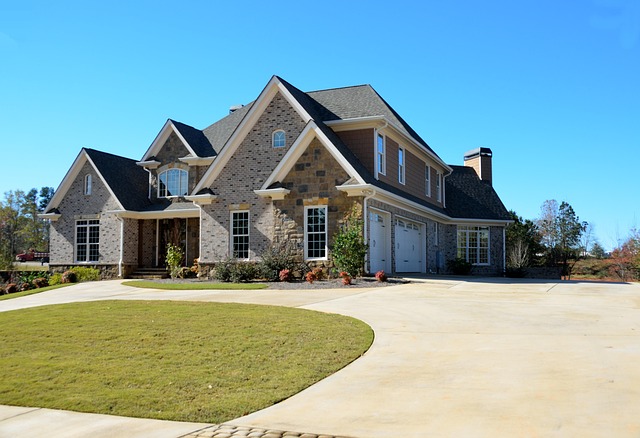
In vibrant walkable suburban hubs across Phoenix, where communities are designed to be accessible and livable, noise pollution can significantly impact the quality of life for residents. As these areas continue to grow in popularity, implementing practical noise mitigation strategies becomes increasingly crucial. The goal is not just to minimize sounds but to create an environment that supports both peace and productivity, aligning with the natural ambiance expected in suburban Phoenix.
Noise isn’t merely an annoyance; it can disrupt sleep patterns, hinder concentration, and even contribute to stress and health issues. For residents living in close proximity to bustling streets or transit hubs, these challenges are heightened. The good news is that proactive measures can be taken to address this problem, especially within the context of Phoenix’s commitment to transit-ready suburban master plans. One effective approach involves incorporating sound-absorbing materials during construction and design phases. For instance, using porous surfaces like brick or specific types of concrete reduces reflection, while plants and trees act as natural sound barriers, offering a green solution that benefits both noise reduction and urban aesthetics.
Moreover, community engagement plays a vital role in noise management. Encouraging residents to share feedback on noise levels can identify problematic areas. This data-driven approach allows for targeted interventions, such as adjusting traffic patterns or installing noise barriers along specific routes. By fostering collaboration between residents, local authorities, and transportation departments, Phoenix can create suburban hubs that are not just transit-friendly but also tranquil oases within the urban landscape. Ultimately, combining thoughtful design with community involvement ensures that living in walkable suburban Phoenix remains a desirable and peaceful experience for all.
Celebrating Tranquil Spaces in Living Environments

In the hustle and bustle of modern life, finding tranquil spaces within living environments is more crucial than ever. For residents of Phoenix, navigating the urban landscape offers a unique opportunity to celebrate and create serene retreats in their own backyards—particularly in walkable suburban hubs where nature and urbanity seamlessly blend. These areas, often characterized by well-designed phoenix transit-ready suburban master plans, provide an ideal setting for fostering a sense of calm amidst the city’s vibrancy.
One notable example is the development of eco-friendly neighborhoods with ample green spaces and pedestrian pathways. Research shows that access to nature significantly enhances mental health and overall well-being. In these suburban communities, residents can enjoy quiet parks, community gardens, and scenic walking trails within a short distance from their homes. For instance, the recently revitalized areas in the northern suburbs of Phoenix have incorporated extensive landscaping and pedestrian-friendly infrastructure, encouraging a more active and mindful lifestyle. This trend is not just a passing fad; it’s a deliberate move towards creating sustainable, livable spaces that cater to the modern suburbanite’s desire for tranquility.
To make these tranquil spaces a reality in walkable suburban hubs, developers and urban planners must prioritize open-space design and accessibility. Incorporating phoenix transit-ready suburban master plans ensures efficient transportation options, allowing residents to move seamlessly between home, work, and leisure destinations without the stress of heavy traffic. This balance between urban connectivity and natural retreats fosters a sense of community and enhances the overall quality of life for suburban dwellers. As Phoenix continues to grow, embracing smart growth strategies that emphasize walkability, green spaces, and efficient transit systems will be key to creating thriving, peaceful communities where residents can truly live well.