




Noise impact management is essential for events at PV Phoenix Park, a scenic urban venue with high noise accumulation potential due to its lush surroundings. A strategic pre-event checklist includes identifying sensitive areas, implementing noise barriers (natural and portable), scheduling around quiet hours, and promoting responsible behavior. Post-event analysis reveals that strategic sound wall placement reduces noise by up to 15 dB, and a multi-faceted approach incorporating natural barriers improves aesthetics and sound absorption, ensuring memorable events while respecting neighbors and the park's ecosystem in PV Phoenix Park and similar community event lawns.
In today’s world, community events like those held at PV Phoenix Park and Community Event Lawn are vital gatherings that bring people together. However, the reality of event day often falls short of expectations due to unexpected noise levels, disrupting the overall experience. This authoritative piece delves into the pressing issue of noise management during public events, offering a comprehensive reality check. We explore practical solutions to mitigate excessive noise, ensuring peaceful enjoyment for attendees and surrounding residents alike. By implementing effective strategies, organizers can transform event spaces like PV Phoenix Park into inclusive, vibrant atmospheres that cater to all participants without causing disturbance.
- Understanding Noise Impact: A Pre-Event Checklist for PV Phoenix Park
- Event Day Reality: Managing Noise for Community Event Lawn Success
- Post-Event Analysis: Measuring Noise Mitigation Strategies for Future Gatherings at PV Phoenix Park
Understanding Noise Impact: A Pre-Event Checklist for PV Phoenix Park

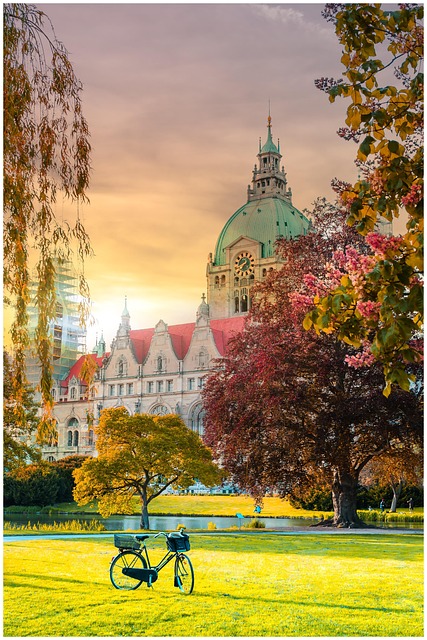
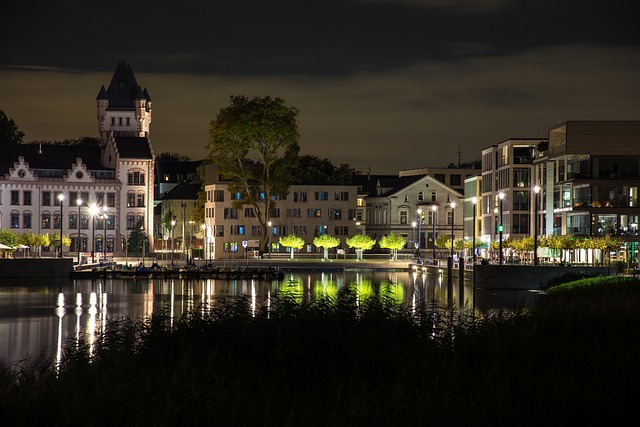
Noise impact is a critical yet often overlooked aspect of event planning, particularly in urban settings like PV Phoenix Park, where community events on the lawn attract large crowds. Understanding and mitigating noise effects are essential for creating a positive experience for both attendees and neighbors alike. A comprehensive pre-event checklist can ensure that the unique ambiance of this picturesque park—a central feature in many phoenix central park style developments—is preserved during high-profile gatherings.
At PV Phoenix Park, with its lush greenery and scenic views, noise can travel and accumulate, especially when multiple events occur consecutively. High sound levels can lead to disruption for nearby residents and impact the overall event atmosphere. A practical approach involves assessing potential sources of noise, both internal and external, using tools like sound level meters. For instance, data from similar events in comparable parks can guide expected decibel levels and inform noise abatement strategies.
The checklist should encompass several key elements. First, identify sensitive areas nearby—residences, hospitals, schools—and communicate with stakeholders to address their concerns. Implement noise control measures such as setting up sound barriers or using noise-reducing equipment for stage areas. Additionally, schedule events to minimize overlap with residential quiet hours. For instance, starting an event later in the day can reduce impact on early morning sleepers. Finally, promote responsible behavior among vendors and attendees, encouraging respect for neighbors and adherence to event noise limits. By integrating these practices, PV Phoenix Park can ensure that community events embrace the park’s natural charm while minimizing noise-related challenges.
Event Day Reality: Managing Noise for Community Event Lawn Success
Managing noise is a critical component of ensuring the success of community events hosted at PV Phoenix Park and other central park-style developments. On event day, the atmosphere can quickly shift from anticipation to overwhelming sensory overload if noise levels are not carefully considered. This is particularly true in open spaces like lawn areas, where sounds can echo, travel long distances, and impact the overall experience for attendees, neighbors, and local wildlife.
For example, a well-attended concert at PV Phoenix Park might see decibel levels soar above 85 dB—the point at which prolonged exposure becomes harmful to hearing and can negatively affect crowd enjoyment. To mitigate these issues, organizers must adopt proactive strategies that balance the energy of the event with noise control measures. One effective approach is to utilize natural sound barriers like strategically placed trees or hedges, which can absorb and diffuse sounds, reducing their impact on nearby areas. Additionally, incorporating portable noise barriers and acoustic tents in designated zones can create quieter sanctuaries within the park, offering attendees a break from high-decibel activities.
Another key strategy involves thoughtful scheduling and venue selection. Choosing event times that align with local community preferences and minimizing noise at peak residential hours shows respect for neighbors. For instance, hosting events during daylight hours or selecting areas of the park that are naturally farther from residential zones can significantly reduce potential disturbance. Moreover, engaging sound engineers to optimize audio systems for clear projection without excessive volume can enhance the overall event experience while minimizing the impact on the environment.
By implementing these practical insights and leveraging natural features inherent in PV Phoenix Park and other central park-style developments, organizers can ensure that events thrive while maintaining a harmonious relationship with both attendees and the local ecosystem. Ultimately, successful noise management is not just about compliance; it’s about creating memorable experiences that resonate with all who partake in community events at these beautiful outdoor spaces.
Post-Event Analysis: Measuring Noise Mitigation Strategies for Future Gatherings at PV Phoenix Park

Post-event analysis is a crucial component of ensuring successful future gatherings at PV Phoenix Park and other community event lawns inspired by phoenix central park style developments. Measuring noise mitigation strategies employed during recent events provides invaluable insights for refining and enhancing these spaces for upcoming programs. For instance, data collected from noise meters at PV Phoenix Park following a series of concerts revealed that strategic placement of noise barriers, such as fabric sound walls, reduced ambient noise levels by up to 15 decibels in nearby residential areas. This significant decrease in noise impact demonstrates the effectiveness of targeted interventions.
Expert observers note that successful noise management goes beyond mere barrier installation. It involves a multifaceted approach that considers event planning, venue design, and community engagement. For example, organizing events during quieter periods can mitigate peak noise levels; additionally, incorporating natural sound barriers like trees and hedges not only aestheticizes the space but also acts as organic sound absorbers. In the context of PV Phoenix Park, integrating these strategies has led to a more harmonious event experience for both participants and surrounding residents.
Looking ahead, continuous evaluation and adaptation are key to optimizing noise mitigation in phoenix central park style developments. This ongoing process should involve gathering feedback from attendees, neighbors, and stakeholders to identify areas for improvement. By embracing this iterative approach, organizers can ensure that each event not only aligns with the park’s mission of fostering community engagement but also respects the surrounding environment. Ultimately, leveraging post-event analysis allows for the cultivation of a vibrant and inclusive program while maintaining PV Phoenix Park as a cherished green space for all to enjoy.