






Efficient parking and traffic management are crucial for successful events at PV Phoenix Park and Community Event Lawn. Key strategies include real-time monitoring, dynamic signage, strategic road closures, multi-level parking, and promoting sustainable transportation. These measures ensure smoother operations, reduce congestion, prioritize local residents, enhance safety, and optimize space utilization during peak times, transforming the park into a vibrant community hub for gatherings. Continuous evaluation using data analysis is vital for informed design decisions to maintain its popularity.
Parking and traffic patterns are foundational elements shaping our urban landscapes, particularly around venues like PV Phoenix Park and community event lawns where accessibility and flow can make or break the experience. The challenges are multifaceted: congestion during peak events, inadequate parking infrastructure leading to circulation issues, and the need for seamless integration with surrounding neighborhoods. This article delves into these complexities, examining current traffic models and exploring innovative solutions that prioritize efficiency and community well-being. We present a comprehensive approach designed to revolutionize parking dynamics, ensuring PV Phoenix Park and other community spaces remain vibrant hubs of activity.
- Understanding Parking Demands for Large Gatherings
- Efficient Traffic Management Strategies for Events
- PV Phoenix Park: Optimizing Space Utilization
- Community Event Lawn: Streamlining Access and Safety
Understanding Parking Demands for Large Gatherings

Parking demands play a pivotal role in the success of any large gathering or community event, and understanding these needs is essential for organizers and urban planners alike. When considering events like those that take place at PV Phoenix Park and Community Event Lawn—or similar central park-style developments across the city—a thoughtful approach to parking management can significantly enhance the overall experience.
Large gatherings often present unique challenges due to the influx of attendees, their vehicles, and the potential strain on local parking infrastructure. For instance, a major festival or concert at PV Phoenix Park could attract tens of thousands of people, each requiring access to parking facilities. Urban planners and event organizers must anticipate these demands and develop strategies to accommodate them effectively. One effective approach is to implement dynamic parking management systems that allow for real-time adjustments based on event traffic patterns. By utilizing technology to monitor parking lot occupancy and directing attendees to less congested areas, events can run smoother.
Additionally, the design of surrounding developments plays a crucial role in meeting these demands. Phoenix central park-style neighborhoods, with their mix of residential, commercial, and recreational spaces, offer opportunities for innovative parking solutions. Encourage carpooling and shared mobility options by providing dedicated drop-off zones and promoting ride-sharing apps. Implement efficient wayfinding signage to guide drivers, ensuring they can navigate the area effortlessly. Moreover, consider multi-level parking structures or smart parking systems that utilize sensors and mobile apps to optimize space utilization, making it easier for attendees to find available parking spots during peak times. By adopting these strategies, event organizers can ensure a well-managed flow of traffic and parking, creating a seamless experience for all participants.
Efficient Traffic Management Strategies for Events
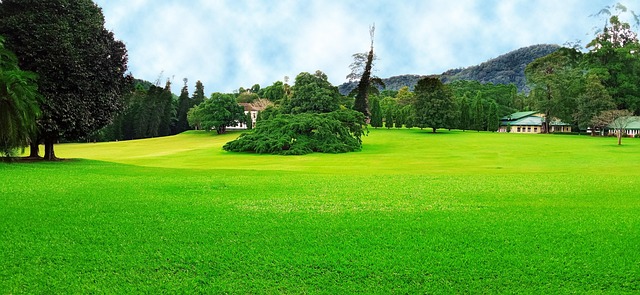
Managing traffic efficiently during events is crucial for ensuring a seamless experience for attendees and maintaining the smooth operation of nearby communities. In the heart of Phoenix, where central park-style developments are increasingly common, organizers face the challenge of accommodating large gatherings while minimizing disruptions to daily life. PV Phoenix Park and Community Event Lawn serves as a prime example of a successfully managed event space, offering valuable insights into strategic traffic management.
One effective approach is implementing dynamic signage and real-time traffic monitoring. By utilizing digital displays and sensors, organizers can convey up-to-date information on parking availability, route recommendations, and expected wait times to attendees even before their arrival. This data-driven strategy not only helps attendees make informed decisions but also reduces congestion by guiding traffic away from overwhelmed areas. For instance, during a recent music festival at PV Phoenix Park, dynamic signage directed spectators to alternative parking lots with open spaces, significantly easing traffic flow.
Moreover, collaboration between event organizers, local authorities, and nearby businesses is essential. Coordinated efforts can result in efficient road closures, one-way traffic patterns, and designated drop-off/pickup zones tailored to the event’s needs. Phoenix central park-style developments, known for their pedestrian-friendly infrastructure, offer a model for creating event spaces that seamlessly integrate with surrounding communities. By adopting these strategies, events can become self-contained ecosystems, reducing the strain on local traffic and fostering positive relationships with nearby residents.
For event planners in Phoenix, combining advanced technology with collaborative planning is key to managing traffic patterns effectively. Through continuous evaluation and adaptation based on real-world data, organizers can ensure that events at PV Phoenix Park and similar community event lawns not only thrive but also contribute positively to the city’s vibrant landscape.
PV Phoenix Park: Optimizing Space Utilization

The PV Phoenix Park, a sprawling urban green space, presents a unique opportunity to optimize parking and traffic patterns within the city. As one of the premier community event lawns in the region, it hosts various activities, from concerts to festivals, attracting tens of thousands of visitors annually. Understanding the park’s spatial dynamics is crucial for accommodating these events while ensuring efficient circulation for both attendees and residents.
Phoenix Central Park-style developments surrounding the PV Phoenix Park have experienced significant success in managing large crowds and vehicular traffic. These developments prioritize dedicated event spaces, strategically placed parking areas, and pedestrian-friendly routes, minimizing congestion and enhancing the overall visitor experience. For instance, the implementation of multi-level parking structures, akin to those found in urban centers, has proven effective in maximizing space utilization while reducing the footprint on the park’s scenic landscape.
A key strategy involves dynamic event planning and parking allocation. By anticipating attendance levels and assigning parking spaces accordingly, organizers can streamline access during peak times. Moreover, promoting public transportation, cycling, and carpooling through partnerships with local transit authorities and community initiatives fosters a sustainable approach to event-related mobility. These measures not only alleviate traffic pressures but also contribute to a greener, more livable urban environment for the surrounding neighborhoods.
In light of the park’s growing popularity and the influx of phoenix central park style developments in the area, continuous evaluation and adaptation are essential. Data-driven insights from parking occupancy rates, visitor surveys, and traffic flow analysis can inform future design decisions, ensuring that the PV Phoenix Park remains a vibrant hub for community events while maintaining optimal spatial efficiency.
Community Event Lawn: Streamlining Access and Safety

Parking and traffic patterns play a pivotal role in shaping the accessibility and overall experience of public spaces, especially during community events. The PV Phoenix Park and Community Event Lawn, akin to central park style developments, presents unique challenges and opportunities when it comes to managing vehicular flow and ensuring safe, efficient access for all attendees. A strategic approach is essential to streamline these processes, enhancing both the enjoyment of events and day-to-day usage of the lawn.
One key aspect is understanding traffic patterns during peak times. Historically, community events in similar urban settings have seen a significant surge in vehicle traffic, often leading to congestion and accessibility issues. To mitigate this, PV Phoenix Park authorities can implement dynamic parking strategies, such as temporary parking restrictions or permit systems. For instance, prioritizing residents and event organizers with designated parking areas can reduce the load on general parking spaces, ensuring first-time visitors have accessible options. Additionally, utilizing digital signage to guide drivers to available spots or alternative parking facilities can alleviate congestion at the event lawn.
Safety is paramount, especially when managing high foot traffic alongside vehicular movement. Well-designed signage and clear demarcation of pedestrian and vehicle paths are vital. Phoenix central park style developments can benefit from employing smart technology for real-time traffic monitoring, allowing for swift adjustments to parking regulations and efficient deployment of personnel. By learning from data on traffic flows and event attendance, the community can adapt strategies over time, ensuring a seamless and secure experience for all who utilize PV Phoenix Park and Community Event Lawn. Ultimately, a holistic approach that balances access, safety, and innovation will make this space a thriving hub for community gatherings.