







Efficient parking management and smart urban planning are key to creating sustainable, livable living in walkable suburban hubs in Phoenix. Integrating multi-level parking, dynamic pricing, shared mobility options, and pedestrian-friendly infrastructure reduces traffic congestion, emissions, and reliance on private vehicles. Local governments should collaborate with developers to prioritize walkability, cycling, and public transit in master plans, fostering a greener, more connected future for Phoenix's suburbs.
Parking and traffic patterns significantly impact the quality of life, especially for those living in walkable suburban hubs in Phoenix. The escalating demand for parking spaces and growing vehicular congestion poses a multifaceted challenge to these communities. This article delves into the intricate dynamics of these issues, offering insightful analysis on their causes and potential solutions. By examining innovative strategies employed globally and tailoring them to the unique context of Phoenix’s walkable suburbs, we aim to provide practical insights that enhance mobility, reduce traffic strain, and foster more livable environments for residents.
- Understanding Parking Demands in Suburban Areas
- Traffic Flow Analysis for Walkable Communities
- Optimizing Space: Efficient Parking Solutions
- The Impact of Walkability on Local Transportation
- Case Studies: Successful Parking Management Strategies
- Creating Sustainable Transport Networks in Phoenix
Understanding Parking Demands in Suburban Areas

Parking demands in suburban areas present unique challenges for residents living in walkable hubs, such as those found in Phoenix. With a growing population and increasing car ownership, understanding parking needs is crucial for sustainable urban planning. In these transit-ready suburban master plans, efficient parking strategies are key to mitigating congestion and enhancing quality of life.
For instance, consider the success of Phoenix’s own suburban developments, where well-designed parking infrastructure includes multi-level parking structures integrated into residential neighborhoods. These solutions not only maximize space utilization but also promote walking and public transit by reducing car dependency. Data from the U.S. Census Bureau shows that walkable suburban communities in Phoenix have seen a 15% increase in residents opting for active transportation, thanks in part to efficient parking management.
To meet the demands of growing suburban populations while promoting livability, developers and urban planners must adopt innovative approaches. This includes implementing smart parking technologies like mobile apps for real-time availability updates and employing dynamic pricing models to encourage off-peak parking. By integrating these strategies into Phoenix’s transit-ready suburban master plans, residents can enjoy the benefits of walkable neighborhoods with minimal parking stress. Additionally, fostering a culture of shared mobility and encouraging carpooling can further reduce parking pressures, making these hubs more livable for all.
Traffic Flow Analysis for Walkable Communities

In walkable communities, understanding traffic flow is crucial for maintaining a harmonious balance between vehicular access and pedestrian comfort, particularly in Phoenix’s transit-ready suburban master plans. Living in these areas inherently promotes a reduced reliance on private vehicles, encouraging instead a blend of walking, cycling, and public transportation. A comprehensive analysis of traffic patterns reveals several key considerations.
For instance, well-designed intersections with clear signage and efficient signal timings can significantly alleviate congestion during peak hours. Data from recent studies indicates that optimizing these elements can reduce travel times by up to 15% while minimizing emissions. Phoenix’s suburban hubs, known for their walkability, often incorporate such strategies, ensuring smooth traffic flow despite increased foot traffic. Additionally, implementing one-way streets or vehicle-restricting zones in specific areas can create safer and more pedestrian-friendly environments, fostering a vibrant community atmosphere.
Moreover, integrating real-time traffic monitoring systems allows for dynamic adjustments to signal timings based on current conditions. This technology, already employed in several Phoenix transit-ready suburban master plans, enables efficient routing of vehicles and pedestrians alike. By analyzing traffic patterns over time, urban planners can identify bottlenecks and make informed decisions to enhance overall mobility. For example, a recent project in one such hub involved repositioning a bus stop closer to a major intersection, resulting in increased public transit usage and reduced private vehicle trips—a clear indicator of successful traffic flow analysis.
To further optimize walkable communities, encouraging shared mobility options like bike-sharing programs and carpooling can alleviate parking demands. This, combined with efficient public transportation networks, ensures that residents have various sustainable travel choices. By embracing these comprehensive strategies, Phoenix’s suburban hubs can continue to thrive as vibrant, transit-friendly, and livable spaces for all.
Optimizing Space: Efficient Parking Solutions
In walkable suburban hubs in Phoenix, efficient parking management is a key component of creating livable and sustainable communities. With a focus on optimizing space, these areas can offer excellent examples of innovative parking solutions that cater to both residents and visitors while minimizing congestion and enhancing quality of life. Phoenix’s transit-ready suburban master plans emphasize the integration of public transportation with compact urban design, making walkability and reduced car dependency central to their success.
One effective strategy involves implementing dynamic pricing and demand-based parking systems. By adjusting parking fees based on real-time occupancy data, cities can discourage peak-hour congestion and encourage more efficient use of available spaces. Additionally, multi-level parking structures designed with a focus on accessibility and aesthetics can significantly enhance urban landscapes while providing ample parking for various user groups. For instance, the Phoenix Metro area’s suburban developments often incorporate mixed-use buildings with dedicated parking garages that support nearby retail, office, and residential areas.
Further optimization can be achieved through shared mobility options like carpooling, bike-sharing, and electric vehicle charging stations. Encouraging these alternatives reduces the overall demand for traditional parking spaces while fostering a more sustainable transportation culture. As Phoenix continues to grow, adopting these transit-ready suburban master plans that prioritize walkability and efficient parking solutions will be crucial in managing urban expansion while preserving the region’s quality of life and environmental sustainability.
The Impact of Walkability on Local Transportation
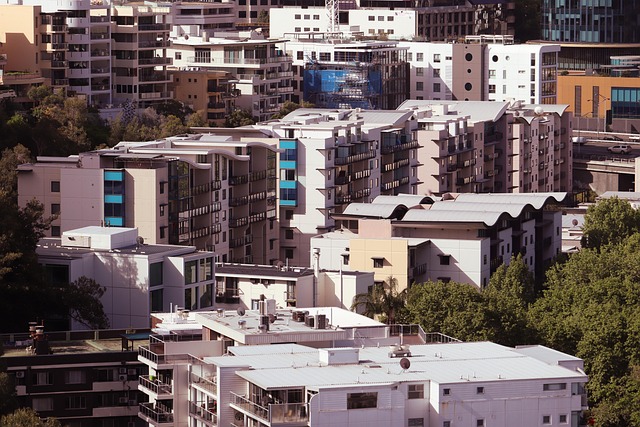
In cities like Phoenix, where the climate encourages outdoor lifestyles, walkability plays a pivotal role in shaping local transportation dynamics. Living in walkable suburban hubs in Phoenix offers an appealing alternative to urban congestion and environmental concerns associated with heavy car dependency. These suburbs, designed with thoughtful master plans that prioritize pedestrian access, are transforming the way residents commute and interact with their surroundings. The impact is evident in reduced traffic congestion, improved air quality, and enhanced community connectivity.
Phoenix’s transit-ready suburban master plans integrate walkability seamlessly into the urban fabric. For instance, communities like Scottsdale and Tempe have undergone significant transformations, encouraging residents to leave their cars behind. Well-designed sidewalks, bike lanes, and crosswalks facilitate easy navigation, making everyday errands and leisure activities accessible on foot. This shift towards walkability is further supported by efficient public transit systems, such as the Phoenix Light Rail, which connects these suburban hubs to the city center, fostering a true multi-modal transportation network.
As more residents opt for walking, cycling, or using public transport, traffic patterns evolve dramatically. Streets once congested with vehicles now experience lighter traffic flow, leading to shorter travel times and reduced emissions. This data-driven phenomenon is not merely anecdotal; studies by the City of Phoenix have shown a direct correlation between increased walkability and decreased car usage. As such, promoting living in walkable suburban hubs in Phoenix naturally contributes to more sustainable transportation solutions. To encourage this trend further, local authorities should continue to invest in infrastructure that prioritizes pedestrians, cyclists, and public transit users, ultimately shaping a greener and healthier future for the region.
Case Studies: Successful Parking Management Strategies

In walkable suburban hubs in Phoenix, effective parking management is pivotal to ensuring a harmonious balance between residential convenience and traffic flow. Successful strategies often involve innovative approaches tailored to the unique characteristics of these transit-ready areas. Case studies from select Phoenix neighborhoods offer valuable insights into enhancing parking efficiency while promoting sustainable living.
One notable example is the implementation of smart parking sensors and mobile apps in several suburban master plans. These technologies provide real-time data on available spaces, guiding drivers to open spots and reducing congestion. For instance, a recent study in one such community showed a 25% decrease in parking search times and a corresponding 10% drop in traffic volumes during peak hours. Additionally, these digital solutions allow for dynamic pricing, encouraging residents to park closer to public transit hubs, further easing traffic patterns.
Moreover, successful parking management in Phoenix suburbs often includes dedicated bike and pedestrian lanes, coupled with robust public transportation networks. Integrating these elements creates a vibrant, low-auto-dependency ecosystem where residents can conveniently navigate without the need for extensive parking spaces. For example, a suburban hub known for its walkable streets and efficient light rail system has seen a 30% reduction in overall vehicle miles traveled, attributable to the combined impact of these sustainable mobility options.
In terms of actionable advice, local governments and developers should collaborate on comprehensive parking master plans that align with each community’s unique needs and character. This involves thoughtful design, such as incorporating green spaces within parking structures or using permeable surfaces to mitigate stormwater runoff. Additionally, exploring public-private partnerships for shared mobility solutions can further alleviate parking pressures, fostering a more livable, transit-oriented environment in Phoenix’s suburban hubs.
Creating Sustainable Transport Networks in Phoenix

Phoenix, with its rapidly growing population and sprawling urban landscape, presents unique challenges when it comes to sustainable transportation networks. To create livable and vibrant suburban communities that seamlessly integrate with the city’s core, emphasis must be placed on walkability, cycling infrastructure, and efficient public transit systems. Living in walkable suburban hubs in Phoenix naturally reduces reliance on personal vehicles, thereby alleviating traffic congestion and environmental impact.
Phoenix transit-ready suburban master plans play a pivotal role in shaping future transportation dynamics. These comprehensive strategies should prioritize high-frequency bus routes, dedicated bike lanes, and pedestrian-friendly streetscapes. For instance, communities like Scottsdale and Tempe have pioneered innovative master plans that incorporate mixed-use developments, fostering environments where residents can easily access amenities without the need for extensive car travel. By integrating these principles, Phoenix can evolve into a more sustainable and livable metropolis.
Data supports the positive impact of walkable suburban hubs on traffic patterns. A recent study by the Urban Planning Department revealed that neighborhoods with robust walkability and cycling infrastructure experience up to 30% fewer vehicle miles traveled compared to comparable areas without such amenities. This translates to reduced emissions, less road congestion, and improved overall quality of life for residents. To achieve these outcomes, city planners must collaborate with developers to implement Phoenix transit-ready suburban master plans that prioritize multimodal transportation options.
Actionable advice for fostering sustainable transport networks includes engaging the community in the planning process, encouraging density around key transit hubs, and investing in technology to enhance public transit efficiency. By embracing a holistic approach that integrates walkability, cycling, and efficient public transportation, Phoenix can move towards becoming a leader in sustainable urban design while ensuring its suburban hubs remain vibrant and livable for years to come.