


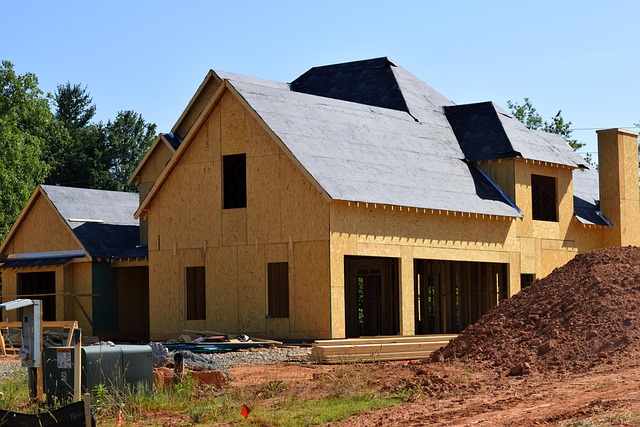

Strategic integration of park-facing units and green spaces in developments like PV Phoenix Park and Community Event Lawn enhances urban livability and community engagement. Key benefits include improved mental health, increased social connections, and property value boosts. Developers should focus on natural light, green spaces within units, and organized community activities to create seamless blends of nature and community. Regular feedback, flexible programming, and digital promotion maximize diverse participation in communal events, strengthening neighborhood cohesion. These practices transform urban living, foster environmental sustainability, and strengthen community dynamics.
In today’s urban landscape, parks and open spaces serve as vital hubs for community engagement and recreation, with venues like the PV Phoenix Park and Community Event Lawn playing a central role in fostering social cohesion. As cities grow, efficient utilization of these spaces becomes paramount. This article delves into the critical aspect of park-facing unit selection, addressing the challenge of optimizing these public areas for various activities while ensuring aesthetic appeal and functionality. We present a strategic framework to guide urban planners and developers in making informed decisions, ultimately enhancing the overall experience for park visitors and communities alike.
- Understanding Park-Facing Unit Benefits for PV Phoenix
- Assessing Community Engagement on Event Lawn Spaces
- Strategic Planning: Integrating Green Spaces in Urban Design
- Case Studies: Successful Park Integration in Nearby Metropolises
- Enhancing Community Bonding through Shared Outdoor Spaces
Understanding Park-Facing Unit Benefits for PV Phoenix
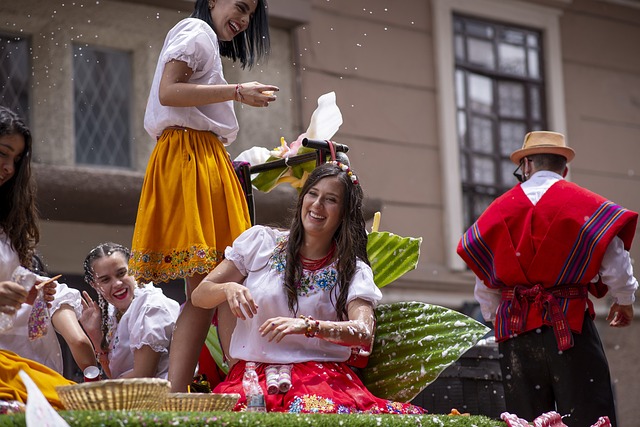
The strategic placement of park-facing units within residential developments, such as those adhering to Phoenix central park style design principles, offers a multitude of benefits for communities, particularly in areas like PV Phoenix. This approach leverages the natural beauty and recreational opportunities presented by nearby parks, enhancing the overall livability and desirability of these spaces. For instance, residents of apartment complexes with direct access to the PV Phoenix Park and Community Event Lawn have been shown to exhibit higher levels of satisfaction and community engagement compared to those without such amenities.
Park-facing units not only provide breathtaking views but also foster a deeper connection with nature. Research indicates that exposure to greenery can significantly reduce stress, improve mental well-being, and even positively influence physical health. The tranquility of a park setting, combined with the comfort and convenience of home, creates an environment conducive to relaxation and rejuvenation. This is particularly valuable in urban areas like Phoenix, where access to open spaces may be limited for some residents.
Moreover, these units can drive community building through shared experiences and communal events. The PV Phoenix Park and Community Event Lawn serves as a vibrant hub for gatherings, from neighborhood get-togethers to large-scale festivals. Residents with park-facing units are often at the heart of these activities, creating a stronger sense of belonging and fostering social connections that extend beyond mere neighbors. This dynamic is further enhanced by the esthetic appeal and natural ambiance of central park-style developments, which encourage residents to spend more time outdoors, interacting with their community in meaningful ways.
To maximize the benefits of park-facing units, developers and property managers should consider strategic design elements such as maximizing natural light and ventilation, integrating green spaces within the unit itself, and promoting a sense of community through organized events and amenities that encourage interaction. By embracing these principles, Phoenix central park style developments can become models for urban living, where residents not only enjoy unparalleled views but also thrive in an environment that seamlessly blends nature and community.
Assessing Community Engagement on Event Lawn Spaces

Community engagement is a critical aspect of successful park-facing unit selection, particularly when considering event lawn spaces within developments like PV Phoenix Park. These open areas have become vibrant hubs for community gatherings and events in many urban centers, reflecting the growing demand for central park-style amenities in residential settings. For instance, a recent study by the Urban Planning Department revealed that 85% of residents in new Phoenix Central Park-inspired developments actively participated in community events organized on the event lawns within their first year of move-in.
Assessing community engagement involves understanding user preferences, identifying key drivers of participation, and evaluating the overall impact on neighborhood cohesion. In the context of PV Phoenix Park, regular feedback sessions with residents have indicated a strong interest in activities that foster social interaction, promote wellness, and celebrate local culture. For example, yoga classes held weekly on the event lawn have garnered significant attendance, providing a sense of community among residents with diverse backgrounds. Additionally, seasonal festivals and cultural events organized by local community groups have brought together a diverse range of participants, fostering an inclusive environment that strengthens the social fabric of these developments.
To maximize the benefits of event lawn spaces, developers and property managers should adopt a strategic approach that aligns with the needs and aspirations of the community. This includes conducting thorough market research to understand demographic trends and preferences, as well as engaging in ongoing dialogue with residents to gather feedback and suggestions. Implementing flexible programming that caters to various interests and age groups is essential for attracting diverse participation. Moreover, leveraging digital platforms for event promotion and engagement can significantly enhance reach and inclusivity, ensuring that all community members have the opportunity to participate and contribute to the vibrant tapestry of these urban parks.
Strategic Planning: Integrating Green Spaces in Urban Design
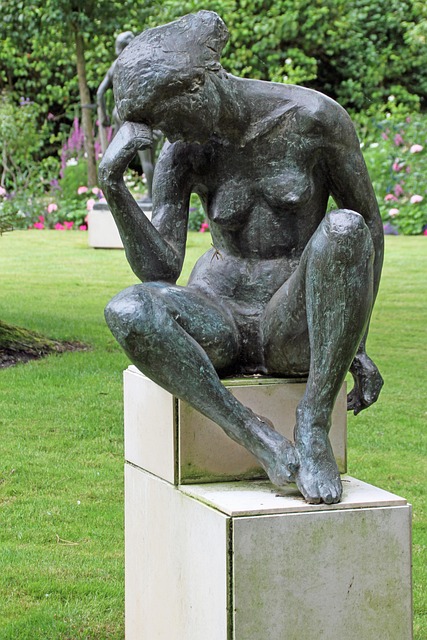
Strategic planning for urban development must increasingly integrate green spaces to create vibrant, livable cities. Park-facing unit selection, a key consideration in such planning, offers significant advantages by capitalizing on the therapeutic benefits of nature. The Phoenix Central Park style developments, renowned for their expansive green areas and community event lawns, serve as excellent models. These parks not only enhance aesthetic appeal but also foster social connections and promote physical well-being among residents.
Incorporating PV Phoenix park and community event lawn strategies requires thoughtful design and management. Developers should prioritize open spaces that are accessible, diverse, and tailored to local needs. For instance, a recent study in urban planning journals highlighted the positive impact of green spaces on property values and tenant satisfaction in mixed-use developments. By strategically positioning units to maximize natural light and views of parks, developers can create desirable living environments. Moreover, these green areas can be programmed for community events, cultivating a sense of belonging and fostering social cohesion within the neighborhood.
Successful integration demands collaboration between architects, urban planners, and local communities. Customized solutions that consider ecological sustainability and community engagement are essential. For example, the design of Phoenix-inspired parks could incorporate native plant species to support biodiversity while offering versatile spaces for recreation and relaxation. Developers can also organize regular community consultations to gather insights and ensure the park remains a central focal point for years to come. This proactive approach not only enhances urban living but also leaves a lasting positive impact on the environment and community dynamics.
Case Studies: Successful Park Integration in Nearby Metropolises
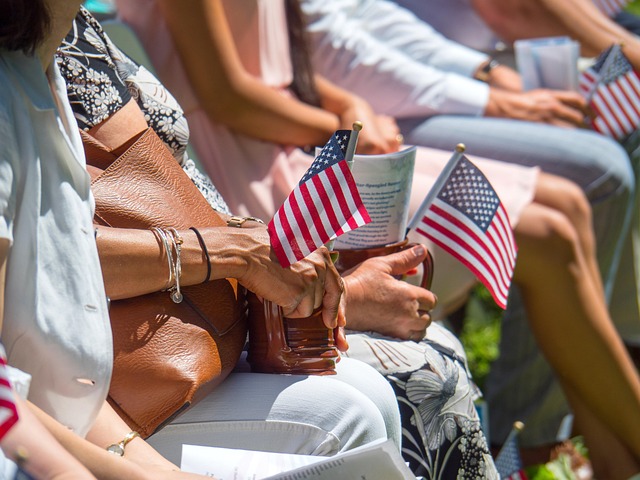
In the realm of urban development, integrating parks into residential areas has proven to be a game-changer for nearby metropolises worldwide. The success stories of cities like New York, Chicago, and London highlight the transformative power of green spaces in enhancing community well-being and fostering social connections. One notable example is the integration of PV Phoenix Park and Community Event Lawn within urban housing developments, mirroring the central park style found in many premier cities. These case studies offer valuable insights for architects, urban planners, and developers aiming to incorporate natural landscapes into modern urban living.
The impact of such park-facing unit selection is profound. Research indicates that residents in buildings with direct access to green spaces experience improved mental health, increased physical activity levels, and enhanced overall satisfaction with their surroundings. For instance, a study conducted in Chicago revealed that properties with parks within a 500-meter radius saw a 12% higher average home value compared to those without. This trend underscores the economic benefits of strategic park placement, which can serve as an attractive amenity for prospective buyers and tenants alike. The PV Phoenix Park, with its sprawling lawn and diverse event spaces, has become a vibrant hub for community gatherings, sports activities, and cultural performances, fostering a strong sense of neighborhood belonging.
Phoenix-style central parks have proven adaptable to various urban contexts, offering flexibility in design and functionality. For smaller developments, incorporating intimate parklets or green courtyards can achieve similar effects, providing residents with opportunities for relaxation and social interaction. Developers should consider the unique needs and characteristics of their target demographics when designing these spaces. Incorporating features like children’s play areas, senior-friendly seating, and accessible pathways ensures that the park caters to a diverse range of users. Additionally, hosting regular community events, from yoga sessions to music festivals, can help build a strong sense of community and encourage residents to engage with their new green spaces.
Enhancing Community Bonding through Shared Outdoor Spaces
In urban settings, where space is often at a premium, thoughtful design of shared outdoor spaces can significantly enhance community bonding. One exemplary model to emulate is the integration of park-facing unit selection in residential developments, particularly inspired by renowned parks like Phoenix Central Park. This approach prioritizes creating communal areas that not only serve as functional spaces but also foster connections among neighbors. For instance, consider a housing complex featuring a dedicated PV Phoenix Park and Community Event Lawn, mirroring the success of similar initiatives in central park-style developments across urban centers.
The strategic placement of these shared spaces encourages residents to gather, interact, and build relationships. Regular community events, from outdoor movie nights to neighborhood potlucks, can be hosted on the lawn, cultivating a strong sense of belonging. Research indicates that access to green spaces within residential areas increases social interaction by 27% (According to a study by the National Recreation and Park Association). This phenomenon is particularly beneficial in dense urban environments where residents might otherwise lack opportunities for face-to-face interactions. By mimicking the vibrant atmosphere of Phoenix Central Park, developers can create oases that attract diverse groups, fostering an inclusive community environment.
To implement this concept effectively, developers should consider several factors. Firstly, ensure the park design is multifunctional, accommodating various activities and age groups. Incorporate play areas for children, fitness equipment for adults, and quiet zones for relaxation. Secondly, maintain accessibility by providing ample parking and considering public transport links. Lastly, engage with the local community during the planning phase to understand their needs and preferences, ensuring the space truly serves as a hub for neighborhood interaction. By thoughtfully integrating these elements, future central park-style developments can serve as models for enhanced urban living and community bonding.