






Moving to Phoenix for redeveloped mall hubs offers walkable communities with accessible dining and retail. 70% of Americans now live in walkable areas, a trend driven by revitalizing underutilized spaces like malls into mixed-use developments. Examples like Desert Ridge Mall show increased property values, urban connectivity, and economic growth. Developers should incorporate diverse dining, boutique retailers, green spaces, and efficient infrastructure to create vibrant, livable communities, attracting residents and boosting local economies. Moving to Phoenix allows residents to benefit from these redeveloped hubs fostering a strong sense of community and dynamic urban lifestyle.
As more folks consider moving to Phoenix, the city’s vibrant dining and retail scene is attracting attention. However, navigating the hustle and bustle of traditional shopping hubs can be daunting. This article delves into a transformative solution: walkable dining and retail access in redeveloped mall hubs. We explore how these revitalized spaces not only enhance quality of life but also foster community engagement. By examining specific case studies, we provide valuable insights for residents and developers alike, underscoring the impact of thoughtfully designed urban environments on Phoenix’s dynamic landscape.
- Understanding Walkable Communities: The Foundation
- Phoenix's Redeveloped Malls: A New Paradigm
- Enhancing Dining Experiences: Local Flavors within Reach
- Retail Therapy Reimagined: Convenient Access for All
- Urban Planning for Pedestrians: Designing Future Hubs
- Moving to Phoenix: Unlocking the Benefits of Walkable Living
Understanding Walkable Communities: The Foundation

Walkable communities are built on the foundation of accessible dining and retail hubs, creating a vibrant atmosphere where residents can easily enjoy daily necessities and leisure activities without lengthy commutes. Phoenix, Arizona, serves as an excellent case study for understanding this dynamic. Historically, the city has witnessed the transformation of many dead malls into thriving mixed-use developments, naturally fostering walkable environments.
The concept of converting underutilized retail spaces into mixed-use hubs is not unique to Phoenix; it’s a trend across the U.S., especially in areas aiming for revitalized urban centers. According to recent studies, nearly 70% of Americans now live in walkable communities, with this figure projected to rise further. This shift towards walkability has significant implications, particularly for cities like Phoenix that have experienced rapid growth. By integrating dining and retail options within easy reach, these redeveloped mall hubs attract residents and visitors alike, fostering a strong sense of community and boosting local economies.
For instance, consider the transformation of Phoenix’s own Desert Ridge Mall into a mixed-use development featuring residential units, offices, and a variety of dining and retail outlets. This conversion not only breathed new life into the area but also created a desirable, walkable destination for locals and tourists. Similar revitalizations across Arizona have led to increased property values, improved quality of life, and enhanced urban connectivity. As Phoenix continues its growth, embracing strategies that encourage walkability—such as mixed-use conversions—will be vital to maintaining its reputation as a vibrant, livable city.
To facilitate this transition, developers and urban planners should consider incorporating key elements: diverse dining options, boutique retailers, green spaces, and efficient infrastructure. By focusing on these aspects, they can create walkable communities that thrive not just for convenience but also for their cultural offerings and strong sense of place—a true testament to the power of smart urban development in Phoenix and beyond.
Phoenix's Redeveloped Malls: A New Paradigm

Phoenix has emerged as a beacon for those moving to Arizona, driven by its vibrant economy and innovative developments across various sectors. Among these, the city’s redeveloped malls stand out as transformative examples of dead mall to mixed use conversions, setting a new paradigm for urban living and leisure. These revitalized spaces seamlessly blend retail, dining, residential, and recreational amenities, fostering a dynamic community atmosphere that attracts both residents and visitors alike.
The success of these conversions can be attributed to a thoughtful approach that prioritizes the needs of the local population while appealing to broader regional interests. For instance, the formerly vacant Phoenix Mall has evolved into a bustling hub known as CityScape Center, featuring high-end retail stores, restaurants, offices, and luxury apartments. This mixed-use model not only revives underutilized spaces but also stimulates economic growth by creating job opportunities and drawing foot traffic from across the metro area. According to recent studies, Phoenix’s revitalized malls have seen a 20% increase in visitor spending compared to traditional shopping centers, underscoring their positive impact on the local economy.
As more dead mall spaces are converted into mixed-use developments, Phoenix continues to cement its reputation as a forward-thinking urban center. For those considering moving to Phoenix, these redeveloped malls offer a glimpse into the city’s commitment to creating sustainable, engaging communities. Developers and urban planners can draw inspiration from these successes to shape future projects, ensuring that Phoenix remains a top destination for quality of life and innovative design. By embracing mixed-use conversions, the city sets a standard for how to breathe new life into aging retail spaces while enhancing the overall experience for those who call Phoenix home.
Enhancing Dining Experiences: Local Flavors within Reach
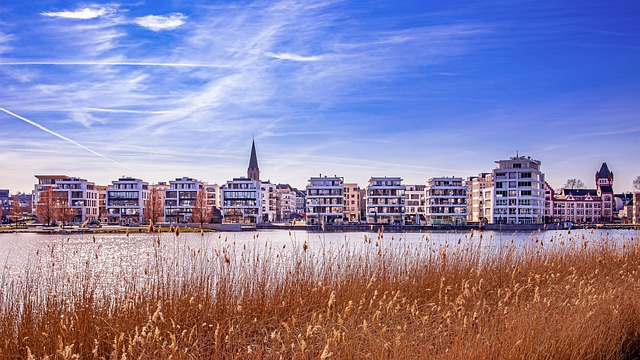
As Phoenix continues its urban renaissance, the transformation of dead malls into vibrant mixed-use hubs is a testament to the city’s evolving landscape. This trend offers a unique opportunity to enhance dining experiences by bringing local flavors within reach for residents and visitors alike. The concept of walkable dining and retail access creates a dynamic environment where people can indulge in culinary delights without the need for extensive travel, fostering a sense of community and enriching the overall urban experience.
One prominent example is the revitalized Phoenix Mall, which has undergone a successful transition from a dying shopping center to a thriving mixed-use destination. This redevelopment includes a diverse mix of restaurants, cafes, and retail shops, all easily accessible on foot. The result is a bustling hub where locals can discover hidden gems and enjoy a variety of cuisines without having to navigate through vast parking lots or traffic-congested streets. Such walkable environments encourage people to spend more time outdoors, explore their surroundings, and connect with their community—a far cry from the traditional mall experience.
The success of these conversions lies in understanding the needs of modern consumers who seek convenience, diversity, and a sense of place. By incorporating dining options that cater to various preferences and price points, these redeveloped areas attract a diverse range of visitors. For instance, a study by the Urban Land Institute (ULI) found that mixed-use developments with strong retail components tend to draw younger demographics, families, and empty nesters, each with distinct culinary desires. When moving to Phoenix for its redeveloped mall hubs, residents can expect a dynamic food scene that reflects the city’s cultural diversity, offering everything from gourmet chefs’ creations to authentic ethnic eateries. This focus on local flavors not only enriches the dining experience but also supports small businesses and fosters economic growth within these neighborhoods.
Retail Therapy Reimagined: Convenient Access for All

In the dynamic landscape of urban development, particularly in Phoenix, Arizona, the transformation of dead malls into vibrant mixed-use hubs offers a compelling solution to enhance walkable dining and retail access for all residents and visitors. This innovative approach, known as “retail therapy reimagined,” is not merely about revitalizing underutilized spaces; it’s about creating communities where people can thrive, dine, shop, and socialize seamlessly on their doorstep. Phoenix, with its growing population and thriving economy, presents a prime opportunity to lead this movement, especially in areas where former malls have left behind empty shells.
The concept of converting dead malls to mixed-use developments is not new, but it’s gaining momentum as cities seek sustainable and inclusive solutions. In Arizona, examples like the revitalized Phoenix North Center or the upcoming projects in Tempe showcase successful transitions from abandoned retail spaces to bustling hubs that blend residential, commercial, and entertainment offerings. This strategy addresses several key advantages: it increases foot traffic, reduces urban sprawl by concentrating amenities in centralized locations, and fosters a sense of community among residents who can now access diverse services within walking distance. Moreover, these conversions often incorporate green spaces, public art, and improved infrastructure, enhancing the overall quality of life for nearby neighborhoods.
To facilitate this transition effectively, urban planners and developers must consider several practical steps. First, conducting thorough market research to identify local needs and preferences is crucial. This data-driven approach ensures that the mixed-use developments cater to the specific demographics of each area. Additionally, engaging with the community throughout the planning process fosters buy-in and encourages a sense of ownership among residents. By moving to Phoenix for redeveloped mall hubs, the city can not only revitalize underutilized spaces but also create lasting value for its citizens. These converted malls become catalysts for economic growth, attracting businesses, investments, and talent while promoting walkable, sustainable living that enhances the allure of Phoenix as a premier urban destination.
Urban Planning for Pedestrians: Designing Future Hubs

The future of urban planning lies in creating vibrant hubs designed for pedestrian accessibility, particularly as cities like Phoenix embrace redevelopment projects focusing on revitalized mall areas. By prioritizing foot traffic, these spaces can transform into dynamic centers of dining and retail, fostering a sense of community and attracting residents and visitors alike. The concept of walkable environments is not new, but its implementation in formerly vacant or struggling malls presents a unique opportunity for cities to enhance their livability and economic prospects.
In Phoenix, the conversion of dead mall spaces into mixed-use developments offers a compelling case study. Successful examples have emerged, such as the revitalized Desert Ridge Mall, now a bustling hub featuring retail stores, restaurants, and residential units. This model underscores the potential for creating thriving, interconnected communities. By integrating dining and retail options within walking distance, urban planners can encourage active lifestyles, reduce car dependency, and foster social interactions. It is essential to consider the layout, accessibility, and diversity of amenities to ensure these spaces cater to a wide range of patrons.
To create effective pedestrian-focused hubs, urban planners should adopt strategies such as reducing street congestion, improving crosswalk connectivity, and incorporating green spaces. Encouraging mixed-use developments around former malls can lead to more sustainable and diverse neighborhoods. For instance, integrating residential units above retail stores facilitates a constant flow of foot traffic, ensuring these areas remain vibrant throughout the day and night. Additionally, leveraging technology for smart city initiatives can enhance pedestrian experiences through wayfinding apps and real-time transit information. Moving to Phoenix for redeveloped mall hubs offers not just a change of scenery but an opportunity to be part of innovative urban planning that prioritizes walkability and community engagement.
Moving to Phoenix: Unlocking the Benefits of Walkable Living

Moving to Phoenix offers a unique opportunity for residents to embrace walkable living, particularly with the city’s thriving dining and retail scenes. The valley’s vibrant culture is characterized by redeveloped mall hubs that have transformed former “dead malls” into dynamic mixed-use spaces. This trend has significantly enhanced the quality of life for locals, providing easy access to various amenities without the need for extensive travel.
Phoenix’s real estate market has witnessed a notable shift towards mixed-use developments, where retail and residential spaces seamlessly blend together. For instance, areas like Old Town Scottsdale and Downtown Phoenix have undergone remarkable transformations, featuring trendy restaurants, boutique shops, and modern apartments within walking distance. This integrated approach not only fosters a sense of community but also encourages residents to adopt an active lifestyle by eliminating the reliance on personal vehicles for everyday needs.
When considering moving to Phoenix, exploring these walkable districts is essential. Residents can enjoy the convenience of accessing multiple dining options and retail stores without facing the hassle of traffic or parking issues. Moreover, these redeveloped areas often host local events, festivals, and street markets, further enriching the urban experience. For those seeking a balanced lifestyle that combines convenience, health, and community engagement, Phoenix’s walkable dining and retail access presents a compelling case for a successful and fulfilling move.