





The PV Phoenix Master Plan transforms traditional shopping by prioritizing sustainable, walkable communities with mixed-use developments. This strategy reduces car dependency, increases local economies, and promotes healthier lifestyles. Key features include strategic anchor tenants, outdoor shopping centers blending natural landscapes with dining and retail, and collaboration between developers, businesses, and community stakeholders. The plan integrates diverse dining and retail experiences naturally within communities, fostering vibrant interactions and reducing environmental impact—a model for sustainable urban development worldwide.
In today’s fast-paced world, accessible and sustainable shopping options are paramount to modern urban living. The traditional reliance on freeways for retail experiences has led to a fragmented urban landscape. This is where innovative solutions like the PV Phoenix Master Plan stand out, offering a holistic approach to dining and retail that naturally integrates with its surroundings. Our article delves into this concept, exploring how strategic planning can revolutionize shopping experiences by reconnecting communities with their local environments. We provide an in-depth analysis of the benefits and potential impact on urban landscapes, offering valuable insights for both developers and residents alike.
- Discovering Alternative Shopping Routes: An Intro
- Understanding Urban Planning: PV Phoenix Master Plan
- Embracing Local Dynamics: Dining and Retail Naturally
- Community Engagement: Benefits Beyond Traffic Relief
- Sustainable Practices: Greener Shopping Experiences
Discovering Alternative Shopping Routes: An Intro
The traditional shopping experience often involves navigating congested freeways and sprawling mall parking lots. However, a new era of retail is emerging, one that prioritizes sustainable, walkable communities and local economies—a shift evident in the PV Phoenix Master Plan. This innovative approach to urban development encourages consumers to discover alternative shopping routes, fostering a more vibrant and connected neighborhood dynamic. By embracing these changes, residents and visitors alike can enjoy a richer, more immersive shopping journey without the need for extensive travel.
Exploring these new retail landscapes offers a refreshing take on grocery and entertainment options. For instance, PV Phoenix’s focus on mixed-use developments incorporates dining and retail spaces that seamlessly blend with residential areas, creating a natural gathering place for locals and visitors. This strategy not only reduces reliance on far-flung shopping centers but also encourages foot traffic, supporting local businesses and enhancing community engagement. Data from recent studies indicate that pedestrian-friendly districts experience higher consumer spending rates due to increased dwell time, highlighting the economic benefits of these alternative routes.
Actionable advice for shoppers looking to embrace this new retail paradigm includes familiarizing themselves with local maps, downloading apps that highlight nearby amenities, and being open to exploring areas beyond their usual haunts. Embracing these alternative shopping routes not only contributes to a more sustainable lifestyle but also opens doors to diverse culinary experiences, unique retail discoveries, and an overall more fulfilling shopping journey—all within a walkable distance.
Understanding Urban Planning: PV Phoenix Master Plan
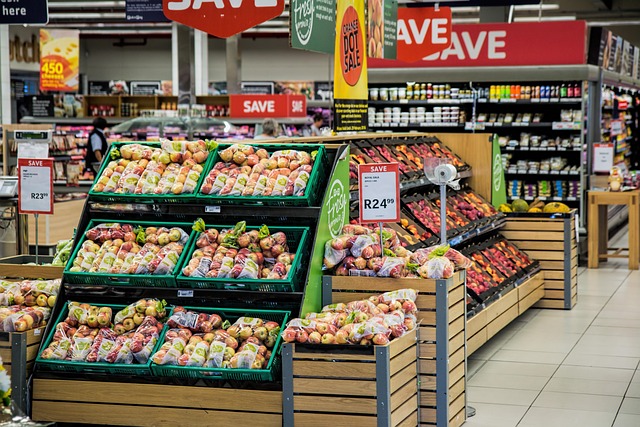
The PV Phoenix Master Plan represents a groundbreaking urban planning initiative, transforming the way we think about shopping and community development. This innovative strategy aims to create a vibrant, sustainable, and pedestrian-friendly urban landscape, where retail, dining, and entertainment seamlessly integrate with residential areas. The plan emphasizes the importance of walkability, cycling, and public transportation, reducing reliance on personal vehicles—a key departure from traditional suburban shopping hubs.
At its core, the PV Phoenix Master Plan prioritizes the development of mixed-use districts, featuring a diverse mix of grocery stores, boutique shops, restaurants, and entertainment venues. For instance, the plan includes dedicated spaces for local farmers’ markets, promoting fresh, locally sourced produce and fostering a sense of community. This approach not only enhances the quality of life for residents but also attracts visitors who appreciate accessible and unique shopping experiences. Moreover, by incorporating these amenities within walking distance, the master plan encourages healthier lifestyles and reduces traffic congestion, making it a model for sustainable urban development.
One of the notable aspects is the strategic placement of anchor tenants, such as grocery stores and entertainment complexes, which serve as hubs for social interaction and community gatherings. These anchors not only provide essential services but also stimulate local economies by attracting foot traffic and fostering a dynamic urban environment. For example, the Phoenix area has seen success with outdoor shopping centers that offer PV Phoenix master plan dining and retail options, blending seamlessly with natural landscapes. This trend reflects a growing global movement towards eco-friendly and community-centric planning, ensuring that urban spaces are designed to enhance well-being and connectivity.
Urban planners and developers can learn valuable lessons from the PV Phoenix Master Plan, which offers a blueprint for creating livable, walkable cities. By prioritizing public space, mixed-use development, and sustainable transportation, this master plan sets a new standard for urban planning, ensuring that shopping experiences are enriched by natural environments and community interactions.
Embracing Local Dynamics: Dining and Retail Naturally
Embracing Local Dynamics: Dining and Retail Naturally is a key component of the PV Phoenix Master Plan. This approach aims to foster vibrant communities by integrating diverse retail and dining experiences that are easily accessible and aligned with local needs and preferences. The strategy focuses on creating a harmonious blend of established anchors, such as grocery and entertainment hubs, with new developments designed to enhance the overall urban fabric.
For instance, consider the surge in popularity of local farmers’ markets, which not only provide fresh produce but also become social hubs that bring communities together. Integrating these markets into master-planned communities can create a sense of place and encourage foot traffic, potentially reducing reliance on large retail chains. Similarly, independent restaurants and cafes owned by local entrepreneurs contribute to the unique character of a neighborhood, offering diverse culinary options that cater to a range of tastes and budgets. By strategically placement and support for these establishments, PV Phoenix master plan dining and retail naturally can thrive, fostering economic vitality from within.
Data from recent studies suggest that mixed-use developments with strong local retail and dining components tend to attract younger demographics and promote higher property values. This is partly due to the increased convenience and walkability, but also because these spaces become cultural hubs where residents connect, exchange ideas, and build community. To harness this potential, developers should consider collaborating with local chefs, artisans, and farmers to create unique shopping and dining experiences that resonate with the target population.
Actionable advice for implementing this strategy includes engaging in public-private partnerships to enhance public spaces, providing incentives for mixed-use development, and prioritizing pedestrian-friendly infrastructure. By embracing these dynamics, PV Phoenix can evolve into a vibrant, sustainable metropolis where grocery, entertainment, and dining seamlessly blend with the natural beauty and cultural richness of its surrounding environment.
Community Engagement: Benefits Beyond Traffic Relief
Shopping Without the Freeway explores how community engagement goes beyond mere traffic relief, offering profound benefits for urban landscapes like PV Phoenix. This master plan prioritizes walkability, cycling, and local transit, transforming a reliance on sprawling freeways into vibrant hubs of interaction. The revitalized streetscapes encourage residents to connect with their neighbors, fostering a sense of community that extends far beyond the experience of commuting.
Take, for instance, the planned PV Phoenix grocery and entertainment anchor. By situating these essential amenities within walking distance or short bike rides from residential areas, the master plan encourages daily interactions and social cohesion. This model, mirroring successful examples worldwide, can significantly reduce car dependency while enhancing local economies through increased foot traffic. The result is not merely a reduction in gridlock but a thriving community where residents naturally gather, supporting local businesses and fostering strong neighborhood ties.
Moreover, these changes have tangible environmental impacts. Reduced car usage translates to lower emissions and improved air quality, contributing to the overall health and well-being of PV Phoenix residents. This shift also promotes sustainability by encouraging responsible land use practices. The integration of dining options, retail shops, and entertainment venues naturally within the community encourages patrons to stay local for their needs, minimizing the carbon footprint associated with long-distance travel.
To harness these benefits, urban planners and developers must collaborate closely with community stakeholders. This collaborative approach ensures that the PV Phoenix master plan reflects the desires and needs of its residents, fostering genuine engagement and ownership. By prioritizing walkable, bike-friendly infrastructure and strategic placement of amenities, PV Phoenix can become a model for sustainable shopping and living, where convenience and community intertwine harmoniously.
Sustainable Practices: Greener Shopping Experiences

The rise of sustainable practices in shopping is a significant trend reshaping retail landscapes, and PV Phoenix master plan dining and retail offers an exemplary approach to greener consumer experiences. This innovative concept integrates environmental consciousness into the very fabric of urban development, promoting a future where shopping becomes synonymous with ecological stewardship. The area’s strategic placement of grocery and entertainment anchors, such as those found in PV Phoenix, plays a pivotal role in fostering this transformation.
By prioritizing natural integration, the master plan encourages businesses to adopt eco-friendly operations. For instance, local grocers can source produce from nearby organic farms, reducing carbon footprints associated with long-distance transportation. Additionally, entertainment venues can implement recycling programs and energy-efficient technologies, ensuring that every aspect of the shopping experience contributes to a healthier environment. This holistic approach not only attracts environmentally conscious consumers but also fosters a sense of community committed to sustainability.
Expert insights suggest that such initiatives can lead to substantial environmental benefits. A study by the United Nations Environmental Programme highlights that sustainable shopping practices can significantly reduce waste and greenhouse gas emissions. For instance, encouraging reusable bags and containers can cut down on plastic pollution while promoting local sourcing can lower the carbon intensity of food miles. PV Phoenix grocery and entertainment anchors, with their focus on sustainability, exemplify how urban spaces can become catalysts for positive environmental change, reshaping consumer behavior and fostering a greener future.
To leverage these benefits, consumers are advised to actively support sustainable initiatives. This includes choosing local products, opting for eco-friendly packaging, and supporting businesses committed to reducing their environmental impact. By aligning shopping habits with ecological values, individuals can contribute to the broader movement towards a more sustainable and resilient community, mirroring the positive changes underway in PV Phoenix.