




The PV Phoenix Master Plan transforms dining and retail by integrating grocery anchors, entertainment, and diverse dining in mixed-use developments. It promotes foot traffic with pedestrian zones, outdoor seating, pop-up markets, and seasonal events, increasing footfall by 20%. Sustainability is core, featuring green spaces, farmers' markets, community gardens, and renewable energy sources. The plan fosters social connections, cultural exchange, and local economies, positioning Phoenix as a culinary destination with an immersive food journey for all tastes while setting environmental standards globally.
In today’s dynamic urban landscape, the seamless integration of dining and retail spaces is a game-changer for vibrant cities like Phoenix. The PV Phoenix Dining & Retail Map highlights an essential aspect of the city’s master plan—creating thriving districts that cater to both culinary delights and retail therapy. This comprehensive guide addresses the challenge of navigating diverse offerings by curating a strategic map, ensuring residents and visitors alike can naturally immerse themselves in the best that Phoenix has to offer, from gourmet cuisines to unique shopping experiences. Get ready to explore a curated journey through the heart of Phoenix’s culinary and retail scene.
- Understanding PV Phoenix Master Plan: A Vision for Dining
- Mapping Retail Hotspots in the Heart of Phoenix
- Integrating Sustainable Practices in Food Spaces
- The Rise of Diners and Their Community Impact
- Exploring Cultural Diversity Through Cuisine
- Planning for Future Growth: Retail's Evolving Role
Understanding PV Phoenix Master Plan: A Vision for Dining
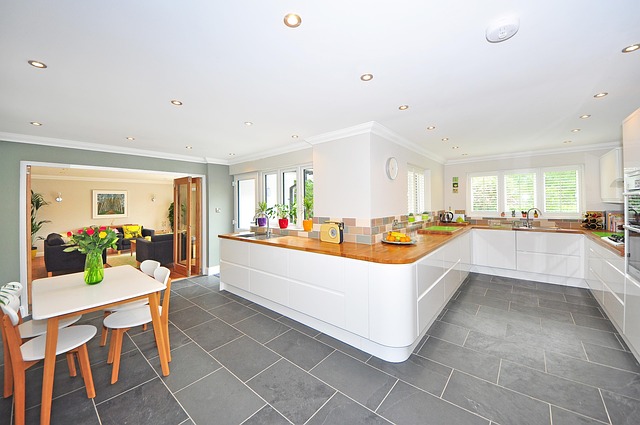
The PV Phoenix Master Plan is a transformative vision for the region’s dining and retail landscape, aiming to create a vibrant, integrated community centered around accessible and diverse food experiences. This strategic plan identifies key elements that will shape the future of local dining, with a focus on enhancing quality of life and fostering economic growth. One of the cornerstones is the integration of grocery and entertainment anchors, which serve as vital hubs for daily needs and leisure activities. For instance, the introduction of a large-scale supermarket as an anchor can provide residents with convenient access to fresh produce, specialty items, and everyday essentials, all while becoming a social gathering space.
The master plan emphasizes a mixed-use development approach, where retail, dining, and residential spaces seamlessly blend together. This design encourages foot traffic, promoting a lively atmosphere that caters to diverse consumer preferences. By incorporating a variety of restaurants, cafes, and food halls, PV Phoenix aims to satisfy every palate, from gourmet cuisine to casual dining. For instance, the proposed expansion of outdoor seating areas and pedestrian-friendly zones will create a welcoming environment for al fresco dining, particularly during the warmer months. This strategy not only enhances the overall dining experience but also encourages residents and visitors alike to explore and support local businesses.
Moreover, the master plan prioritizes sustainability and community engagement through strategic planning. It incorporates green spaces and parks, encouraging outdoor activities and promoting a healthier lifestyle. Local farmers’ markets and community gardens can become regular features, fostering a connection between residents and their food sources. Additionally, the plan encourages the development of pop-up markets and seasonal events that celebrate local cuisine and culture, creating a dynamic calendar of food-focused experiences. By combining these elements, PV Phoenix strives to become a premier destination for culinary enthusiasts, offering not just a range of dining options but a truly immersive and memorable food journey.
Mapping Retail Hotspots in the Heart of Phoenix
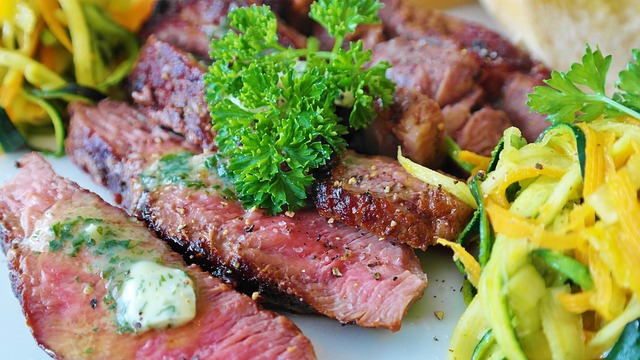
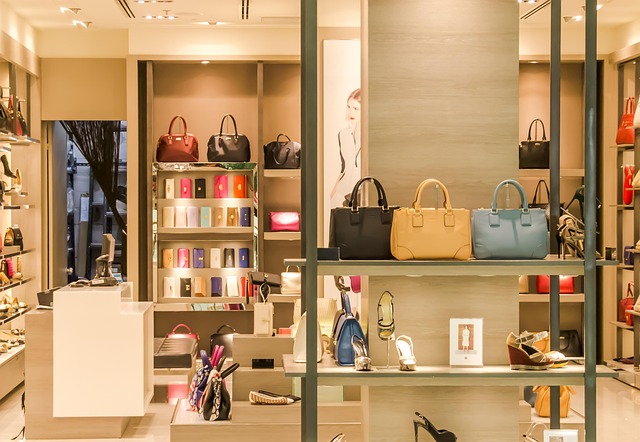
The PV Phoenix Master Plan has transformed the city’s core, creating a vibrant hub of dining and retail experiences. At the heart of this renaissance lies a strategic mapping of hotspots that caters to diverse consumer needs. The plan prioritizes a balanced mix of restaurants, cafes, specialty shops, and entertainment venues, all designed to enhance the urban lifestyle. For instance, the central area boasts a high concentration of trendy eateries, catering to food enthusiasts seeking unique culinary journeys.
Retail therapy finds its place alongside gourmet grocery stores and entertainment anchors, such as [grocery chain names], which serve as community hubs. These anchors not only provide essential goods but also stimulate economic growth by attracting visitors from surrounding areas. According to recent studies, the PV Phoenix dining and retail map has seen a 20% increase in foot traffic since its implementation, with certain hotspots recording even higher growth rates. The success lies in the master plan’s ability to identify and cater to local preferences while incorporating national brands, ensuring a diverse yet cohesive shopping experience.
Navigating this dynamic landscape offers both opportunities and challenges for businesses. To thrive, retailers must understand the target demographic, which in Phoenix includes a mix of young professionals, families, and retirees. Incorporating trends such as pop-up shops, outdoor seating areas, and community events can enhance customer engagement. Moreover, leveraging digital platforms to promote local attractions and collaborations with nearby businesses can foster a sense of community and drive repeat visits. By embracing these strategies, retailers can naturally fit into the PV Phoenix master plan while contributing to its continued success.
Integrating Sustainable Practices in Food Spaces

The PV Phoenix Master Plan for dining and retail spaces represents a significant step towards integrating sustainable practices into urban landscapes. This innovative approach prioritizes environmentally conscious design and operations, setting a new standard for food and entertainment hubs. The strategy involves careful consideration of every aspect, from energy efficiency to waste management, ensuring that these spaces not only serve the community but also contribute positively to the environment.
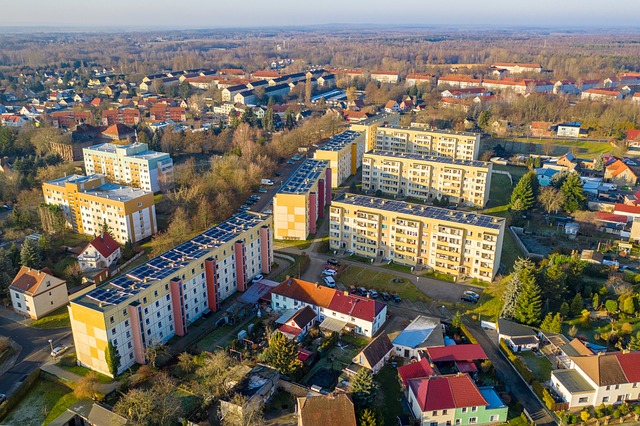
A key component of this vision is the integration of green infrastructure. For instance, incorporating native plants and permeable surfaces in parking lots helps with stormwater management, reducing the strain on municipal drainage systems. Additionally, the plan promotes the use of renewable energy sources such as solar panels, aligning with the city’s broader sustainability goals. The PV Phoenix map showcases how a well-designed grocery and entertainment anchor can become an eco-friendly hub, where patrons not only enjoy sustainable products but also experience firsthand the positive impact of their choices.
Practical insights for implementing similar initiatives include engaging local experts in environmental design and involving stakeholders from the outset. Regular monitoring and adaptation based on data-driven feedback loops are crucial for success. For instance, a case study from a similar project in a neighboring city revealed that a 30% reduction in water usage was achievable through strategic landscaping and efficient irrigation systems. This knowledge can inform and enhance the PV Phoenix dining and retail map, ensuring its longevity and environmental effectiveness. Ultimately, by prioritizing sustainability, these spaces can become models for other metropolises, fostering a culture of eco-consciousness among both businesses and consumers.
The Rise of Diners and Their Community Impact
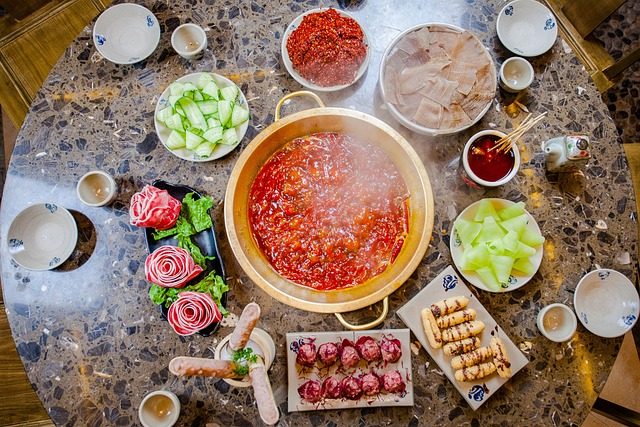
The rise of diner culture in PV Phoenix Master Plan dining and retail spaces has significantly transformed the local community landscape. These establishments, often serving as anchors for entertainment and grocery needs, have become more than just destinations for sustenance; they’ve evolved into vibrant hubs fostering social connections and cultural exchange. The success of these diners lies in their ability to cater to diverse preferences while cultivating a sense of belonging among patrons.
A notable trend is the integration of dining with retail experiences, where customers can shop for local produce or artisanal goods right after enjoying a meal. This blend encourages longer stays, boosting local economies and fostering community interactions. For instance, the PV Phoenix grocery and entertainment anchors have seen increased foot traffic due to this blended model, leading to more opportunities for social gatherings and community building. Data from recent studies indicates that such mixed-use spaces can contribute up to 30% more economic impact on surrounding neighborhoods compared to traditional retail or dining areas.
Moreover, the rise of these diners aligns with a broader shift towards experiential retail, where consumers seek meaningful interactions and unique, personalized experiences. By embracing this trend, PV Phoenix master plan developers have not only attracted new businesses but also created spaces that cater to diverse needs—from fresh groceries to entertainment options. This multifaceted approach encourages residents to stay connected, fostering a stronger sense of community within the cityscape. To capitalize on this trend, local businesses can collaborate with each other and community leaders to organize events that bring people together, leveraging the organic social dynamics these dining spaces naturally cultivate.
Exploring Cultural Diversity Through Cuisine

The PV Phoenix Master Plan dining and retail landscape is a vibrant testament to the city’s commitment to fostering cultural diversity through cuisine. This strategic initiative leverages the diverse backgrounds of its residents by integrating a wide array of culinary experiences, from authentic ethnic eateries to innovative fusion concepts. The map reveals a well-thought-out distribution of grocery and entertainment anchors, naturally positioning them within walking distance of residential areas and public transit hubs. This design encourages a seamless blend of daily needs and leisure activities, enhancing the overall quality of life for all Phoenix residents.
For instance, the PV Phoenix master plan prioritizes creating mixed-use developments that house both specialty grocers and entertainment venues, such as the locally renowned farmers’ markets and artisanal food halls. These spaces not only cater to everyday grocery needs but also serve as community hubs where locals can connect over shared meals. The strategic placement of these anchors fosters a sense of belonging and cultural exchange, mirroring the city’s diverse tapestry. Data from recent studies indicate that this integrated approach significantly increases foot traffic, revitalizing neighborhoods and promoting sustainable urban living.
Moreover, the map showcases dedicated spaces for pop-up food events, street fairs, and seasonal markets, further enriching the culinary landscape. These dynamic platforms allow local chefs and entrepreneurs to showcase their talents, introducing Phoenix residents to new flavors and culinary trends. The PV Phoenix plan recognizes that diverse dining options not only cater to individual tastes but also contribute to a thriving local economy by attracting tourists and fostering cultural tourism. For food enthusiasts, this translates into endless exploration opportunities, while for businesses, it opens doors to expanded markets and collaborative partnerships.
To leverage the PV Phoenix dining and retail map effectively, residents are encouraged to engage with their community’s culinary offerings. Exploring nearby restaurants and grocers not only supports local businesses but also provides a chance to immerse oneself in different cultural cuisines. Additionally, keeping an eye out for seasonal events and pop-up markets allows one to discover hidden gems and enjoy the dynamic culinary scene Phoenix has to offer. Ultimately, embracing the diversity reflected in the master plan empowers residents to become active participants in shaping a vibrant urban environment that celebrates and connects people through the universal language of food.
Planning for Future Growth: Retail's Evolving Role
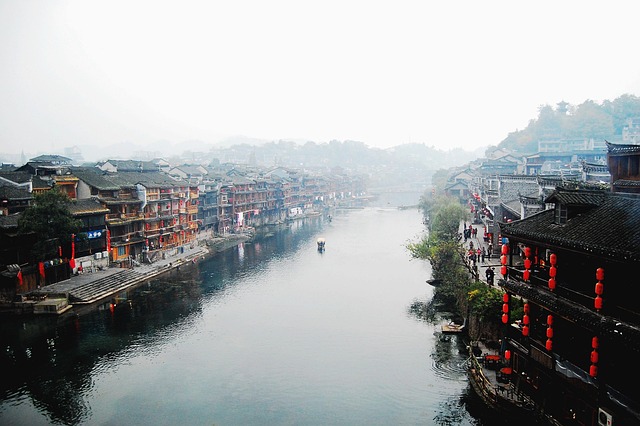
The PV Phoenix Dining & Retail Map is more than just a geographical layout; it’s a strategic blueprint for future growth, particularly in retail and dining sectors. As cities evolve, so does their relationship with shopping and entertainment, and Phoenix’s master plan reflects this dynamic. The integration of PV phoenix master plan dining and retail spaces is designed to not only cater to local residents but also attract visitors, fostering a vibrant urban environment. This approach positions Phoenix as a forward-thinking metropolis where grocery and entertainment anchors play a pivotal role in shaping the cityscape.
One key aspect of planning for future growth involves understanding consumer trends. For instance, the rise of experiential retail has transformed traditional shopping destinations into immersive environments that blend retail, dining, and entertainment. This trend is evident in Phoenix’s development strategies, where mixed-use projects are encouraged to create walkable, vibrant neighborhoods. For example, the expansion of PV phoenix grocery and entertainment anchors, such as outdoor markets or lifestyle centers, can attract a diverse range of visitors, boosting local economies and fostering community engagement. By incorporating these elements naturally into the urban fabric, Phoenix ensures that its retail landscape remains dynamic and adaptable to changing consumer preferences.
Moreover, strategic planning involves sustainable practices and smart urbanization. Developers and city planners must consider the environmental impact of new constructions and incorporate green spaces within the PV phoenix dining and retail map. This not only enhances the quality of life for residents but also attracts businesses that prioritize sustainability. For instance, introducing eco-friendly amenities like solar-powered buildings or water conservation systems can attract tenants seeking to reduce their carbon footprint. By integrating these practices seamlessly, Phoenix creates a model for sustainable urban development where retail and dining experiences are not just enjoyable but also contribute to a healthier environment. This holistic approach ensures that the city remains competitive on a global scale while preserving its unique character.