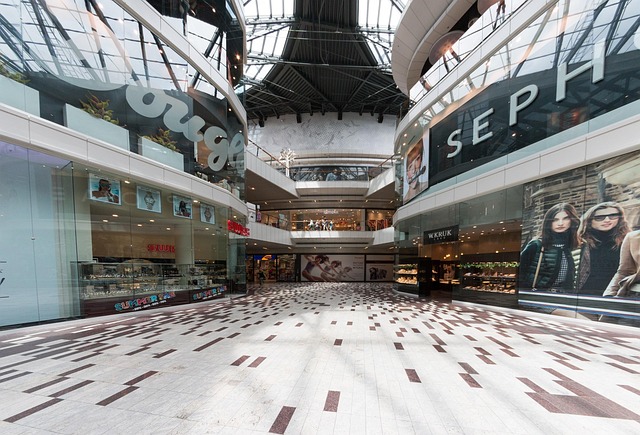








The PV Phoenix Master Plan for Dining & Retail revitalizes urban landscapes by strategically integrating diverse dining and retail experiences, fostering community engagement, and promoting sustainability. Key elements include anchor tenants like grocery stores and entertainment venues, demographic-tailored offerings, and partnerships with local businesses. The plan enhances accessibility, reduces car dependencies, and supports a circular economy through local sourcing and renewable energy. Effective implementation requires collaboration among stakeholders for adaptability based on data-driven reviews.
The PV Phoenix Master Plan Dining and Retail landscape is evolving rapidly, demanding a comprehensive map to guide both residents and investors. As urban centers transform, the integration of dining and retail spaces becomes crucial for fostering vibrant communities and driving economic growth. However, navigating these changes can be challenging, with complex interconnections between land use, development, and consumer behavior. This authoritative article presents an in-depth exploration of the PV Phoenix Dining & Retail Map, offering a strategic roadmap to unlock the potential of this dynamic environment, naturally integrating dining and retail for a thriving urban experience.
- Unveiling PV Phoenix Master Plan: Dining & Retail Vision
- Understanding the PV Phoenix Landscape for Foodies
- Crafting a Culinary Experience: Key Retail Players
- Community Engagement: The Heart of PV Phoenix Dining
- Sustainable Strategies in PV Phoenix's Retail Map
Unveiling PV Phoenix Master Plan: Dining & Retail Vision
The PV Phoenix Master Plan for Dining & Retail is a comprehensive strategy designed to transform the urban landscape into a vibrant hub of culinary delight and retail therapy. This vision aims to create an integrated ecosystem where dining and shopping seamlessly coexist, fostering a dynamic community experience. The plan prioritizes enhancing the city’s appeal by introducing diverse food options and entertainment anchors, particularly focusing on family-friendly environments and sustainable practices.
At the heart of this initiative is the concept of anchor tenants—grocery stores and entertainment venues that serve as magnets for residents and visitors alike. For instance, a modern grocery and entertainment anchor could become the focal point, offering fresh produce alongside diverse dining choices and regular community events. This approach not only promotes healthy living but also creates a centralized meeting place, encouraging social interaction and building a strong local economy. By strategically placing such anchors throughout the city, the master plan ensures accessibility and diversity in both food and entertainment options.
Experts suggest that successful implementation requires careful consideration of local demographics and preferences. For example, areas with higher family populations might benefit from specialized children’s entertainment centers alongside restaurants catering to diverse dietary needs. Conversely, urban cores could accommodate trendy pop-up markets and innovative culinary startups, attracting a younger crowd. Ultimately, the PV Phoenix Master Plan for Dining & Retail promises to redefine the city’s dining and retail scene, creating a sustainable, engaging environment that caters to all.
Understanding the PV Phoenix Landscape for Foodies

The PV Phoenix landscape offers a dynamic dining and retail scene, shaped by a master plan that integrates diverse food and entertainment options seamlessly. This vibrant ecosystem caters to a wide range of tastes, from local eateries showcasing regional cuisines to international brands seeking to establish a footprint in the region. The city’s strategic planning includes dedicated spaces for grocery and entertainment anchors, fostering a balanced community where residents can easily access daily necessities alongside varied leisure activities.
A key aspect that sets PV Phoenix apart is its commitment to sustainability and community engagement. Many dining establishments prioritize locally sourced ingredients and eco-friendly practices, reflecting the region’s progressive approach to culinary culture. Moreover, public spaces are designed to encourage outdoor dining and social gatherings, fostering a strong sense of community among residents and visitors alike. For instance, the PV Phoenix master plan incorporates parks, plazas, and pedestrian-friendly zones that double as cultural hubs, hosting farmers’ markets, food festivals, and live performances throughout the year.
Practical insights for food enthusiasts include exploring hidden gems tucked away in residential neighborhoods, where authentic culinary experiences often thrive with less of a tourist focus. Keeping an eye out for seasonal pop-up restaurants and food trucks adds another layer of excitement to the dining scene. Additionally, staying informed about local food tours and community events allows visitors to immerse themselves fully in PV Phoenix’s rich gastronomic tapestry. Ultimately, understanding the strategic layout of grocery and entertainment anchors within the master plan enables residents and travelers to navigate the city with ease, uncovering its culinary secrets and contributing to a thriving local economy.
Crafting a Culinary Experience: Key Retail Players
The PV Phoenix Master Plan dining and retail landscape is a testament to the city’s commitment to crafting a vibrant culinary experience. At the heart of this vision are strategic partnerships with key retail players that elevate both the variety and quality of offerings. These entities, often serving as anchor tenants, play a pivotal role in shaping the overall customer experience, drawing from diverse sectors including gourmet groceries and immersive entertainment options.
Consider the impact of specialty grocery stores like Whole Foods Market, which have become staples within the PV Phoenix map. Such establishments not only cater to health-conscious residents but also foster a sense of community through their fresh produce markets and culinary workshops. Similarly, entertainment anchors such as AMC Theatres and Topgolf add another layer of allure, transforming the dining experience into a full-day adventure. This blend of retail categories creates a harmonious balance between practical needs and leisure activities, reflecting the master plan’s holistic approach to urban development.
Experts suggest that successful integration of these retail elements requires careful planning and understanding of target demographics. For instance, a diverse mix of restaurants catering to various cuisines can cater to a multifaceted population, while dedicated spaces for pop-up markets and local artisans encourage entrepreneurship and foster a unique sense of place. By leveraging data on consumer preferences and foot traffic patterns, developers can optimize the placement of anchors, ensuring they not only attract but also retain patrons throughout the year.
Ultimately, the PV Phoenix dining and retail map is poised to become a destination for food enthusiasts and casual diners alike, thanks to these strategically chosen retail players. As the city continues to evolve, this ecosystem will undoubtedly adapt, reflecting trends in sustainable practices, technological integration, and experiential marketing. Staying attuned to these developments ensures that residents and visitors alike enjoy a culinary journey that is both memorable and representative of the area’s dynamic spirit.
Community Engagement: The Heart of PV Phoenix Dining

PV Phoenix Dining & Retail Map is more than just a geographical layout; it’s a testament to the community engagement at the heart of this dynamic urban ecosystem. The PV Phoenix Master Plan, with its emphasis on integrated living and vibrant neighborhoods, has cultivated a dining and retail landscape that goes beyond mere convenience to become a cultural hub. This section delves into how strategic planning, diverse offerings, and thoughtful design create an environment where residents and visitors alike connect, engage, and thrive.
The heart of this engagement lies in the careful selection and placement of grocery and entertainment anchors. These establishments serve as catalysts for community interaction, providing spaces for social gatherings, cultural events, and shared experiences. For instance, the development of major grocery retailers intertwined with entertainment venues has led to increased foot traffic and a surge in local spending. This symbiotic relationship not only enhances the retail experience but also fosters a sense of belonging within the neighborhood. Data from recent studies indicates that communities with well-integrated retail and dining options exhibit higher levels of social cohesion, underscoring the profound impact of such planning on community engagement.
Moreover, the PV Phoenix map showcases a diverse range of dining options catering to various tastes, lifestyles, and cultural backgrounds. From local cafes and artisan eateries to cosmopolitan restaurants, each venue contributes to a vibrant culinary landscape that reflects the area’s dynamic spirit. This diversity is not merely about satisfying consumer preferences; it actively encourages cross-cultural interactions, fostering an inclusive environment where residents can connect through shared meals.
To leverage this community engagement further, developers and urban planners must continue to prioritize walkability and accessibility in future projects. Well-designed sidewalks, safe crossing points, and green spaces that encourage outdoor dining experiences all contribute to making PV Phoenix a truly livable metropolis. By nurturing these communal aspects, the area can maintain its allure as a premier destination for both residents seeking a rich quality of life and visitors eager to experience the warmth and diversity of this remarkable community.
Sustainable Strategies in PV Phoenix's Retail Map

The PV Phoenix Master Plan for dining and retail showcases a pioneering approach to sustainable urban development. By integrating eco-friendly strategies into its retail map, this vibrant community sets a benchmark for others to follow. The plan prioritizes a harmonious blend of green spaces, locally-focused businesses, and efficient transportation options, fostering a dynamic environment that respects both people and the planet.
One standout feature is the strategic placement of grocery and entertainment anchors. These establishments act as catalysts for sustainable living by encouraging residents to reduce car dependencies. For instance, a major grocery store situated near public transit hubs can significantly decrease the carbon footprint associated with food transportation. Additionally, integrating entertainment options within walking distance promotes active lifestyles, minimizing the need for gas-guzzling vehicles. This strategic density is a key tenet of PV Phoenix’s design, aiming to create a compact, connected community.
Beyond these physical elements, the master plan emphasizes the power of local, seasonal produce. By encouraging farmers’ markets and promoting partnerships with nearby farms, PV Phoenix can reduce food miles and foster a circular economy. This approach not only benefits the environment but also strengthens the community’s connection to its agricultural roots. Moreover, the use of renewable energy sources, like solar panels, in retail buildings sends a clear message: sustainability is not just an option but a cornerstone of this retail map.
To implement these strategies effectively, urban planners and developers must collaborate closely with local stakeholders. This includes engaging residents, businesses, and environmental experts to tailor solutions specific to PV Phoenix’s unique needs. Regular reviews and adaptations based on data-driven insights will ensure the plan remains resilient and relevant as the community evolves. By embracing these sustainable practices, PV Phoenix sets a powerful example for future developments, demonstrating that thriving retail landscapes can go hand in hand with ecological stewardship.