





By 2026, PV Phoenix aims to transform former malls into walkable dining and retail hubs, fostering community engagement and enhancing living in PV Phoenix. Strategic planning, mixed-use development, and pedestrian-friendly design are key to successful redevelopments, offering higher property values, economic vitality, and improved public health. This model revolutionizes urban living, promoting sustainable and vibrant spaces.
In today’s urban landscape, walkable dining and retail access are key indicators of vibrant, livable communities—particularly in revitalized spaces like former mall developments. As cities strive to create seamless blends of lifestyle and entertainment, living in PV Phoenix, with its former mall redevelopments, offers a compelling example of how these amenities can naturally enhance urban living. This article delves into the significance of walkability, examines the challenges within the current urban planning paradigm, and presents innovative solutions that prioritize pedestrian-friendly dining and retail experiences, setting a new standard for sustainable urban development.
- Understanding Walkable Communities: The Phoenix Model
- Redeveloping Former Malls: A Natural Approach to Dining
- Integrating Retail and Dining for Daily Living in PV
- Benefits of Walkability: Health, Economy, Community
- Designing Spaces: Walking Paths to Retail Success
Understanding Walkable Communities: The Phoenix Model
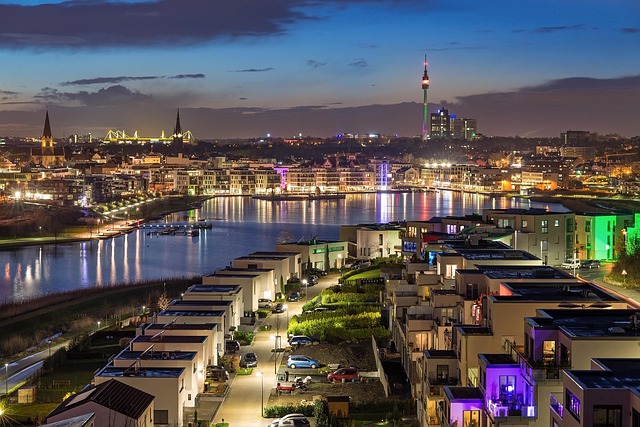
Walkable communities have emerged as a model for sustainable urban development, offering a blend of amenities, convenience, and a higher quality of life. The Phoenix Model serves as an excellent case study, particularly in the context of former mall redevelopments like those in PV Phoenix. By 2026, PV Phoenix is set to undergo significant transformations with various phases and timelines, focusing on walkable dining and retail access. This approach not only revitalizes underutilized spaces but also fosters a sense of community and encourages active lifestyles.
The key to successful walkable communities lies in thoughtful planning and design. Integrating dining and retail options within easy walking distance creates a vibrant atmosphere that attracts residents and visitors alike. For instance, the reimagining of former malls into mixed-use developments with residential units, restaurants, and shops has proven successful in other cities. In PV Phoenix, this model can naturally emerge as part of the 2026 plans, where each phase prioritizes walkability and accessibility. By ensuring a balanced mix of uses, residents will have easy access to daily needs, entertainment, and dining options without relying heavily on vehicles.
Data from recent studies shows that walkable communities experience higher property values, increased economic vitality, and improved public health. In light of these findings, the Phoenix Model offers a strategic path forward for urban redevelopment. Developers and city planners should collaborate to create interconnected networks of pedestrian-friendly spaces, ensuring seamless navigation between dining, retail, and residential areas. By 2026, PV Phoenix could become a premier example of successful walkable living, where residents enjoy convenient access to diverse dining options and local shops, fostering a strong sense of community and enhancing overall well-being.
Redeveloping Former Malls: A Natural Approach to Dining

Phoenix, AZ, is experiencing a renaissance in walkable dining and retail experiences, with a particular focus on revitalizing former mall spaces through creative redevelopment. This approach offers an exciting opportunity to transform stagnant areas into vibrant hubs of activity, catering to residents’ daily needs and leisure pursuits while promoting sustainable living in PV Phoenix. The process involves careful planning, community engagement, and innovative design strategies to ensure these former retail giants become integral parts of the city’s evolving landscape.
One notable example is the planned redevelopment of several malls in the area, with a target completion date of 2026, in multiple phases. This project aims to create mixed-use spaces that seamlessly blend retail, dining, and residential elements. By integrating green spaces, outdoor seating areas, and pedestrian-friendly walkways, these revitalized centers can become destinations for locals and visitors alike. The strategy behind this initiative is to encourage a more connected community where residents can easily access everyday amenities while enjoying a diverse culinary scene. For instance, a former mall could be transformed into a bustling food hall featuring local chefs and international cuisines, accompanied by boutique shops and services within easy reach.
To make this vision a reality, developers must consider the unique needs and preferences of the surrounding community. This includes understanding traffic flow patterns, identifying key demographics, and gathering feedback through public consultations. By embracing input from residents, architects, and urban planners, the redevelopment can successfully navigate challenges like parking availability and accessibility for all. Additionally, incorporating sustainable design principles will ensure these spaces are not only aesthetically pleasing but also environmentally responsible, contributing to PV Phoenix’s reputation as a forward-thinking metropolis.
Integrating Retail and Dining for Daily Living in PV
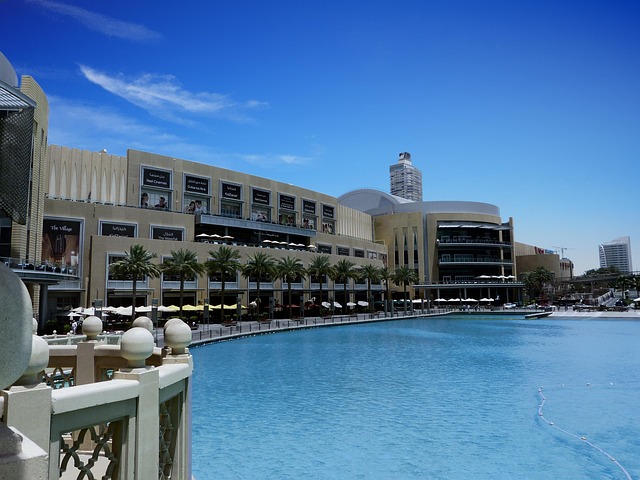
The integration of retail and dining experiences is a key strategy for enhancing daily living in PV Phoenix, particularly through the former mall redevelopment projects. This approach, often referred to as “walkable urbanism,” aligns seamlessly with the city’s evolving landscape. By 2026, several phases of these revitalized spaces are expected to be completed, according to the PV Phoenix timeline, offering a new era of convenience and community engagement.
A prime example is the transformation of traditional malls into vibrant hubs featuring a mix of restaurants, boutique shops, and entertainment venues. This concept not only attracts locals but also encourages foot traffic, fostering a sense of community within the neighborhood. The success of such developments lies in their ability to cater to diverse needs; residents can access daily essentials, indulge in culinary delights, and participate in cultural events all within walking distance. This walkable dining and retail access model is particularly appealing for those embracing sustainable living in PV Phoenix, as it reduces reliance on personal vehicles, contributing to a greener urban environment.
To ensure the success of these integrated spaces, developers must carefully consider phase-specific planning. This includes creating a balanced mix of amenities, ensuring accessibility, and promoting strategic marketing to attract a diverse range of visitors. For instance, phases one and two could focus on establishing a robust retail core, while later stages introduce dining options and cultural attractions. By following this phased approach, PV Phoenix can create walkable destinations that cater to various demographics and preferences, ultimately enhancing the overall quality of life for residents and visitors alike.
Benefits of Walkability: Health, Economy, Community

Walking is more than just a form of exercise; it’s a way to enhance overall health and well-being, foster economic growth, and strengthen community bonds—benefits that are increasingly recognized as essential components of urban planning in vibrant cities like Phoenix, Arizona. In particular, the former mall redevelopment projects in PV (Phoenix Valley) offer a compelling example of how walkable dining and retail access can transform not just individual lives but entire neighborhoods. By 2026, phases of these redevelopments are expected to be completed, creating 1-3 times more pedestrian-friendly spaces, according to city planners.
The health benefits of walkability are well-documented. Regular walking can reduce the risk of chronic diseases like heart disease and diabetes, improve mental health by reducing stress and anxiety, and contribute to better sleep patterns. In a study focusing on urban environments, researchers found that individuals living in highly walkable areas experienced lower body mass indices (BMIs) compared to those in less walkable neighborhoods. This is particularly significant for communities aiming to combat obesity rates, which have been rising globally. For instance, Phoenix has seen efforts to make its public spaces more inviting and accessible on foot, with initiatives like the Phoenix Trail system promoting active lifestyles.
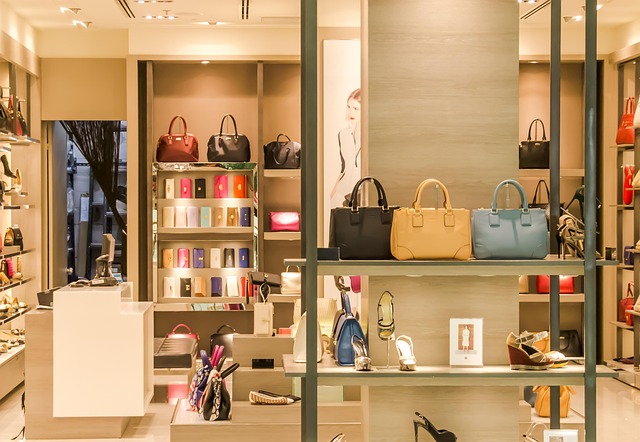
From an economic standpoint, walkability can drive local business success and revitalize whole areas. When people can easily access dining and retail venues by foot, they are more likely to patronize these businesses regularly. This increases foot traffic, raises visibility, and ultimately boosts sales. Successful examples exist in PV, where former malls have been reimagined as mixed-use developments with residential units, restaurants, and boutique shops. These revitalized spaces not only attract locals but also draw visitors from neighboring cities, contributing to a thriving local economy. According to the U.S. Census Bureau, walkable neighborhoods often experience higher property values and rental rates due to their appeal to various demographics.
Moreover, walkability fosters a sense of community by encouraging social interactions and strengthening neighborhood ties. When residents can conveniently access local amenities on foot, they are more likely to engage with their neighbors, creating a vibrant, interconnected community. This is especially important in diverse areas like PV, where fostering unity and understanding among different groups becomes a priority. By 2026, as these former mall redevelopments reach key milestones, Phoenix stands to benefit from increased social cohesion, stronger community bonds, and a more inclusive public space—all achieved through thoughtful urban planning that prioritizes walkability.
Designing Spaces: Walking Paths to Retail Success
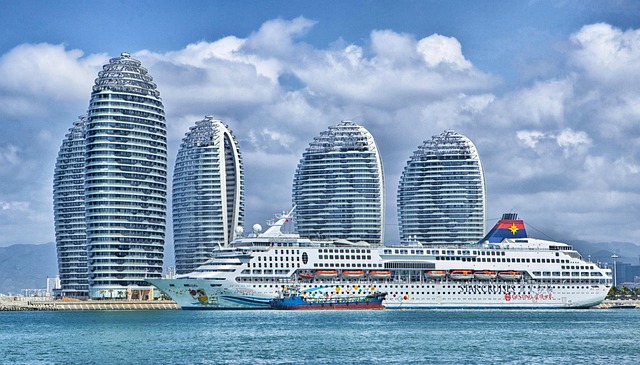
In the realm of urban redevelopment, particularly in PV Phoenix, former mall properties present a unique opportunity to integrate walkable dining and retail spaces that enhance the overall livability of the area. The success of these redevelopments hinges on strategic planning, focusing on designing walking paths that seamlessly connect residential, commercial, and leisure spaces. This approach not only fosters a vibrant community but also aligns with the city’s vision for a more sustainable future.
The key to retail success lies in understanding PV Phoenix’s phases and timeline (2026), ensuring that new developments cater to the evolving needs of residents and visitors alike. For instance, integrating green spaces and pedestrian-friendly infrastructure within the former mall can create a destination point, drawing people from nearby residential areas for dining and shopping experiences. This strategy not only revitalizes underutilized spaces but also encourages active lifestyles by promoting walking as a primary mode of transportation. Experts suggest that well-designed walkways, complemented by diverse retail options, can significantly enhance the appeal of an area, making it more desirable for living in PV Phoenix.
Moreover, incorporating local businesses and specialty retailers into these redevelopments fosters a sense of community and supports local economies. By creating distinct zones dedicated to dining, retail, and leisure activities, developers can cater to diverse consumer preferences. This holistic approach ensures that the space serves as a central hub for social interaction and economic vitality, setting a precedent for successful mall redevelopment in PV Phoenix. As the city continues to evolve, embracing walkable environments will be crucial, and these former malls have the potential to become landmarks, shaping the future of urban living and retail experiences in the region.